
Bobby Travis · NASCAR/IndyCar Correspondent
Instead of waiting in Charlotte for open slots on the Chevrolet simulator, ECR is bringing a Dynisma DMG-1 in-house, just in time for the new chassis.
Ed Carpenter Racing has bought a driver-in-the-loop simulator, a full-motion rig with a real driver in the cockpit. According to RACER, that makes ECR the first known IndyCar team to own a system of this class. The DMG-1 from British manufacturer Dynisma will be installed at the team’s new headquarters in Westfield, Indiana, which is due to be completed in early 2027.
Why no team had its own until now
It comes down to cost. A full-motion simulator costs more than $1 million according to RACER, a single track simulation can run to more than $100,000, and full-time staff are needed to operate it. IndyCar teams have therefore relied on the simulators of their engine partners, Chevrolet in North Carolina and Honda in Indiana. The most access went to the Big 4: Arrow McLaren and Team Penske with Chevrolet, Andretti Global and Chip Ganassi Racing with Honda.
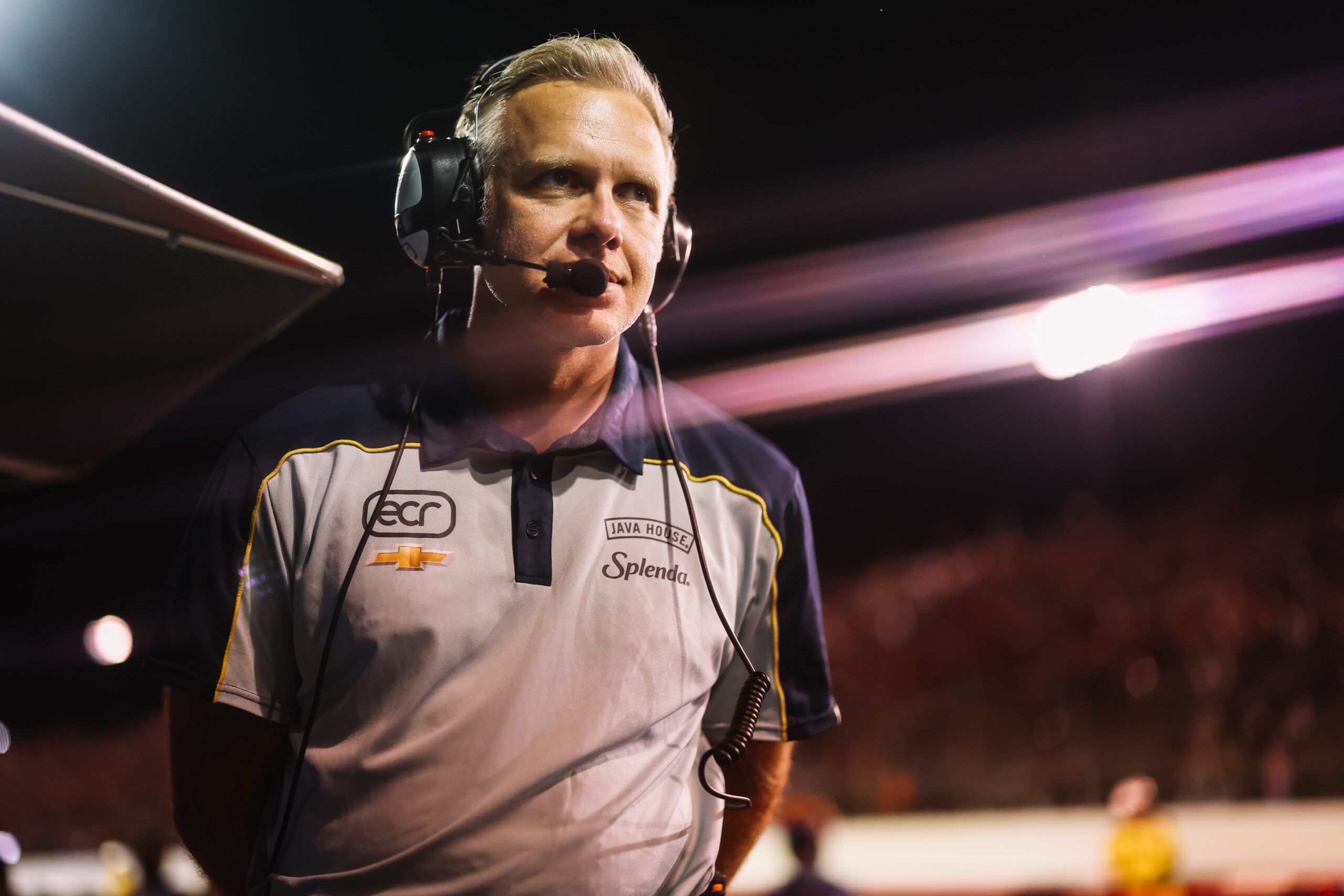
For ECR, that mostly meant travel. “Right now, our guys are taking a lot of trips to Charlotte,” said team owner Ed Carpenter. The team has used the GM simulator as much as possible, and with so little track time during and between seasons it is a critical tool. With its own rig, ECR wants to become more efficient and get more simulator time.
Rossi helped test, the engineers benefit
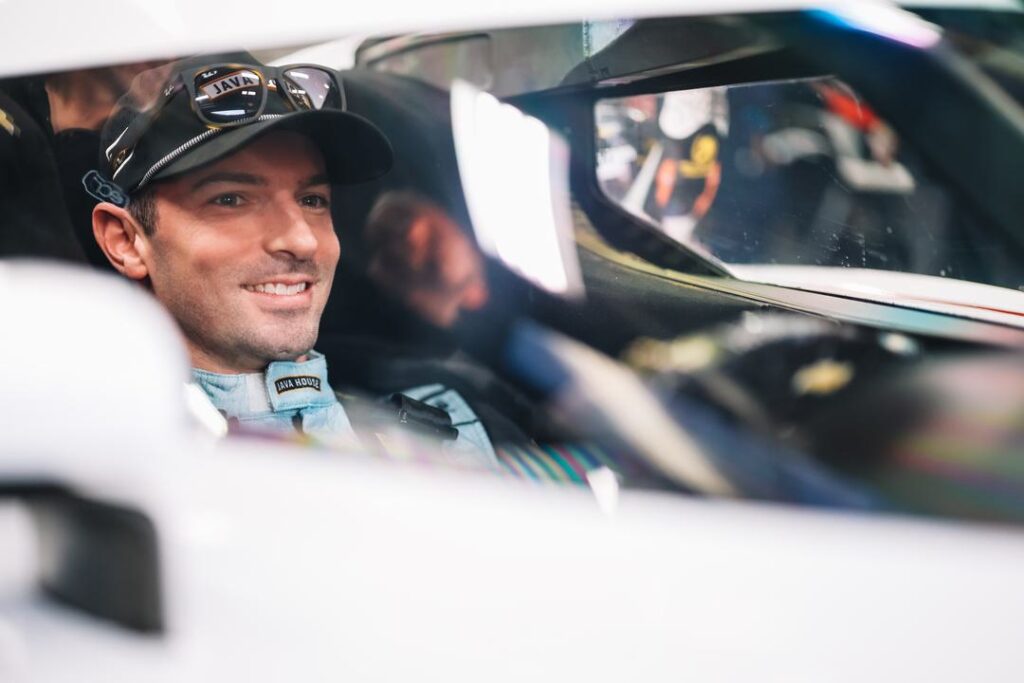
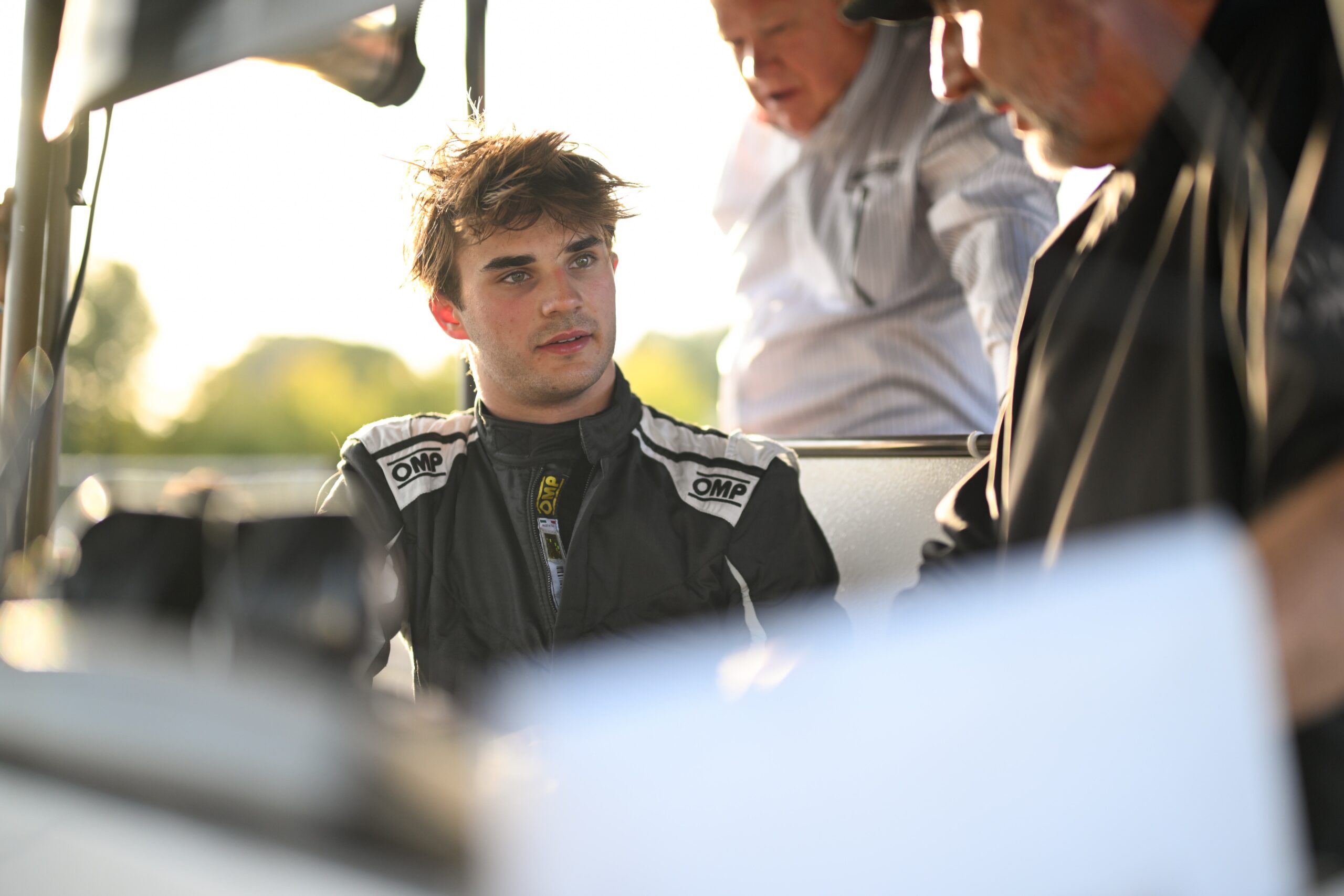
Before choosing Dynisma, ECR visited several vendors around the world and had Alexander Rossi sample their systems. The 2016 Indy 500 winner sees the purchase as a clear statement from the team’s leadership: “If you want to catch the other teams, you’re not going to just make up that ground and get all the way there in 18-24 months by doing the same things they’re doing.”
Rossi describes the simulator as an engineering tool more than a driver tool. Teams today rely heavily on purely computer-based simulations without a driver that generate setups. For those to be useful, you need a tire model you can trust, and that only comes from putting drivers in the simulator and correlating the data with reality. On race weekends, ECR should then only need to adjust springs, camber or front wing instead of suspension geometry and differential.
Preparing for the IR28
The timing is no coincidence. A new chassis, the Dallara IR28, arrives in 2028, and according to RACER the first cars are due to reach the teams next summer. Anyone with their own simulation setup by then can develop earlier and more freely. Matt Barnes, ECR’s Vice President of Competition since 2026, stresses above all the ability to plan: access to someone else’s simulator is limited and the schedule is not your own.
ECR needs the step. The team, with Ted Gelov as co-owner and chairman since late 2024, was only the seventh-best team in the series last season in RACER’s assessment, and Rossi finished 15th in the drivers’ championship. With Rossi, Christian Rasmussen and Ed Carpenter himself, ECR now has a tool in-house that no other IndyCar team owns.