Marco Rossi · F1 Correspondent
A botched moment at the hairpin, his own teammate’s retirement, and a late duel with Hamilton and Verstappen – Antonelli’s win in Montreal was no formality, but the result of a chain of errors from which he was the only one to emerge unscathed.
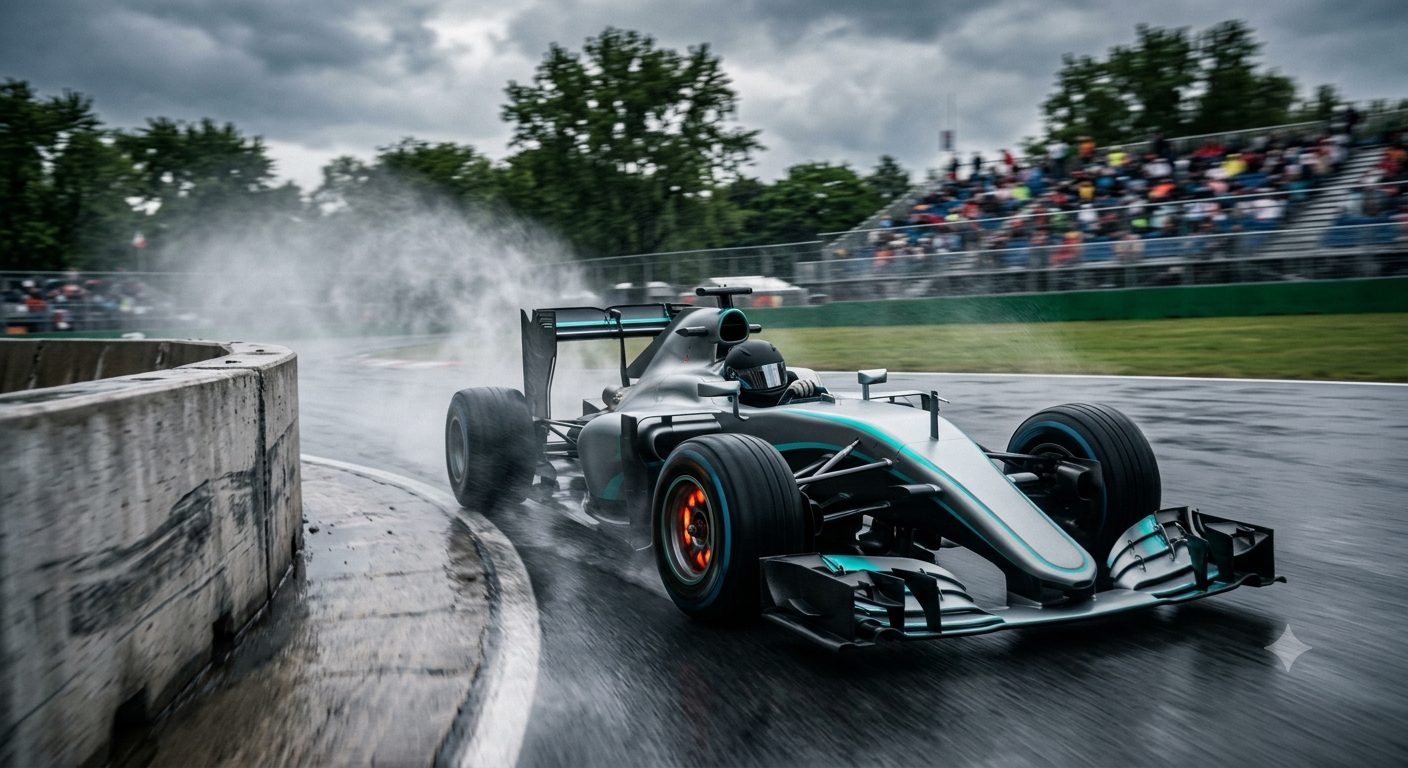
The Circuit Gilles Villeneuve once again lived up to its reputation as a place of unpredictability. Worlds separated Saturday’s sprint from Sunday’s grand prix, and anyone who still expected an orderly Mercedes dominance after the short format was proven wrong in the main race. Andrea Kimi Antonelli did ultimately win by more than ten seconds over Lewis Hamilton, but the path there involved his own driving error at the hairpin, the retirement of his teammate George Russell, and a lively duel between Hamilton and Max Verstappen for second place that wasn’t decided until the final laps.
The Sprint Showed Mercedes’ Baseline – the Race Showed the Limits
In Saturday’s sprint, Mercedes delivered a performance that must have made the competition nervous: Russell won comfortably ahead of Norris, and Antonelli completed a double podium for the Silver Arrows with third place. The gaps of the chasers to Russell – Norris around 1.3 seconds, Antonelli just under 1.9 seconds – pointed to a pace that was hard to disguise over the short distance. Verstappen didn’t get past seventh in the sprint, nearly 16 seconds back, an indication that Red Bull was struggling with the Montreal layout over short distances.
In the grand prix, however, the picture flipped. While Antonelli ultimately won comfortably, Russell retired completely with a power unit problem – a retirement that shows how narrow the margin between a double win and a zero-point weekend currently is for Mercedes. Sprint form alone was therefore not a reliable indicator of race performance; the longer distance and the higher thermal load on a track with its long straights and the notorious wall at the exit of the final chicane punished weaknesses mercilessly.
Antonelli’s Slip-up and the Consequences for the Battle at the Front
The decisive moment of the race was, paradoxically, a mistake by the eventual winner. Antonelli locked up badly at the hairpin and had to let Russell through – an incident that shows how technically demanding this tight, kerb-lined section remains, even for a driver in red-hot form. That Antonelli still emerged as the winner from this situation was largely down to his teammate’s subsequent retirement, which handed him back the lead without any further effort on his part.
Behind him raged the real duel of the day: Hamilton and Verstappen fought for second place, which the Ferrari driver won by around half a second. Verstappen’s third place was his first podium of the season – a warning sign after a rather mixed start to the season for Red Bull.
Midfield Chaos and the Lessons for Monaco
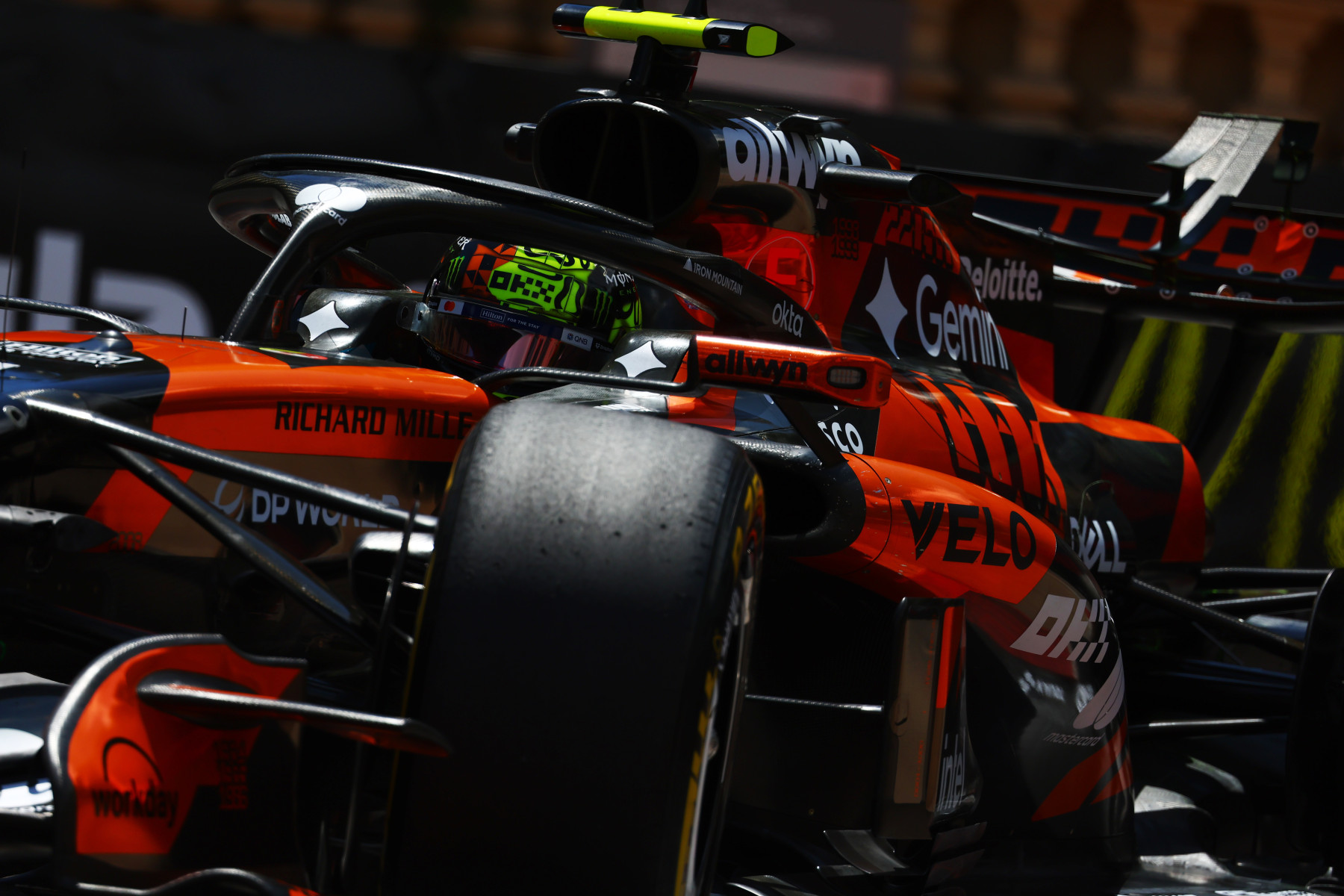
Alexander Albon’s retirement, caused by a collision with Oscar Piastri at the hairpin, cost Williams points and also pushed McLaren into an unusually weak role: Piastri was penalised after the contact and ended up only eleventh, while Norris came away completely empty-handed after retiring. For a team that has positioned itself as a frontrunner this season, a weekend without a single point is a painful blow – especially since the competition, in the shape of Hadjar, Colapinto and Lawson, showed that solid results are now achievable in the midfield when the frontrunners make mistakes.
Despite two penalties, Hadjar benefited from the chaos and scored his best result of the season so far with fifth place. For the championship, the Montreal afternoon means one thing above all: Antonelli extends his lead, but Mercedes’ vulnerability – visible in Russell’s retirement and the leader’s own driving error – gives Ferrari and Red Bull arguments that the gap is closer than the table suggests. How solid that confidence is will become clear in two weeks in Monaco, where tight walls and even less margin for error will provide the next reality check.