Marco Rossi · F1-Korrespondent
After nearly a year without a win, Max Verstappen triumphs in Malaysia amid pure chaos, but this breakthrough comes too late to reshape the 2026 title fight.
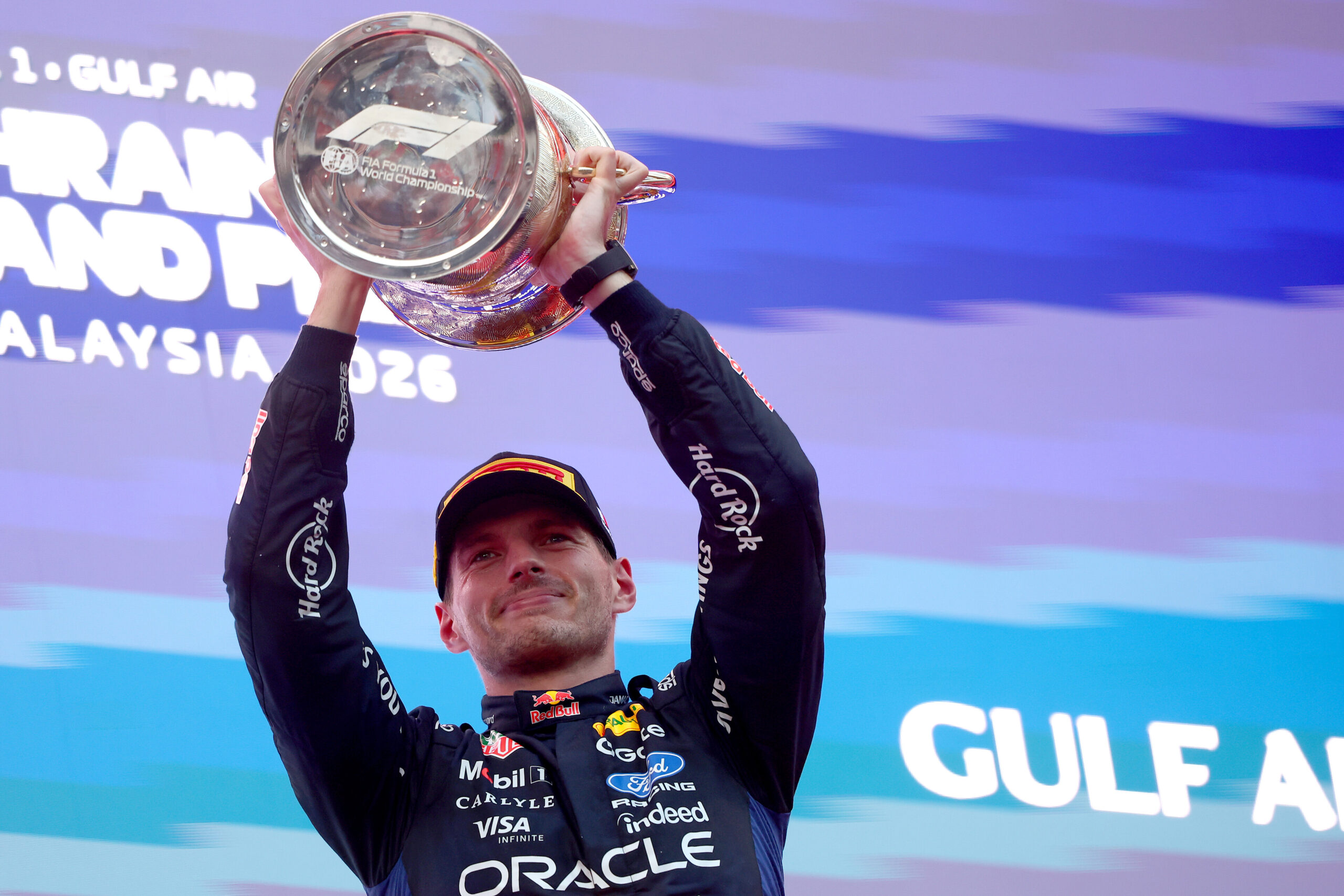
Max Verstappen claimed his first win of the 2026 season last weekend in Sepang, the track that replaced the originally planned Bahrain Grand Prix in October. It was his first triumph since the 2025 season finale in Abu Dhabi, ending a drought of nearly twelve months with a chaotic afternoon in Malaysia. The victory underscores Verstappen's exceptional mastery in difficult conditions, yet it changes little about the season's overall picture: for the title race, it arrives too late; for the remainder of the year, the Dutchman remains primarily one thing, the most dangerous wildcard in the field.
A victory born from chaos, not clean pace
The Sepang win unfolded under conditions rarely seen in such concentration. A tropical downpour, race start delays, and software glitches during the formation lap created one of the season's most chaotic weekends. Precisely within this pandemonium, Verstappen demonstrated what has set him apart from the field for years: the ability to strike decisively when switching between intermediates and slicks, even as others hesitate.
Competitor misfortune contributed too. George Russell retired shortly before the finish with a technical failure after running strongly, while Ferrari miscalculated its strategy for Lewis Hamilton. Both circumstances opened the door that Verstappen drove cleanly through.
The assessment, therefore, remains measured: Red Bull had a solid car in Sepang, but not one that suddenly becomes the benchmark on dry pavement. The win was the product of Verstappen's mastery in the rain and flawless teamwork amid the chaos, not evidence of an aerodynamic or power unit leap forward.
The title fight appears beyond Verstappen's reach
With second place in Malaysia, championship leader Kimi Antonelli extended his advantage further. The Mercedes driver now holds the lead with more than 80 points over his teammate Russell, with Verstappen trailing even further back in that calculation. For the remainder of the season, Antonelli essentially needs only to manage his margin, a driver who scores consistently and avoids major mistakes.
On dry tracks and at races without drama, Mercedes remains the season's most balanced package, a fact no single rain victory can overturn. Red Bull moved closer in Sepang, that much is undeniable. Yet one chaotic weekend offers no basis for assuming automatic victories in every remaining race. Anyone expecting a late Verstappen title surge after this single win is likely to be disappointed.
What remains realistic: podium contender and weather joker
What is realistic, however, is that Verstappen stays a podium threat at every remaining weekend, and that he becomes the paddock's most dangerous man whenever rain showers, safety car phases, or strategic confusion strike again. Sepang delivered that proof anew, far from the first time in his career, and with eleven consecutive seasons of at least one Grand Prix victory, he now ties Michael Schumacher's mark.
The psychological impact likely outweighs the sporting gain. After a grinding season, the win eases pressure on Red Bull Racing and engine partner Ford, confirming that the winning DNA exists within the team even if the car doesn't deliver it every week. For the 2026 title, this momentum arrives too late. For development of the 2027 car, it could prove exactly the confidence boost Red Bull needed after a difficult year.