Marco Rossi · F1-Korrespondent
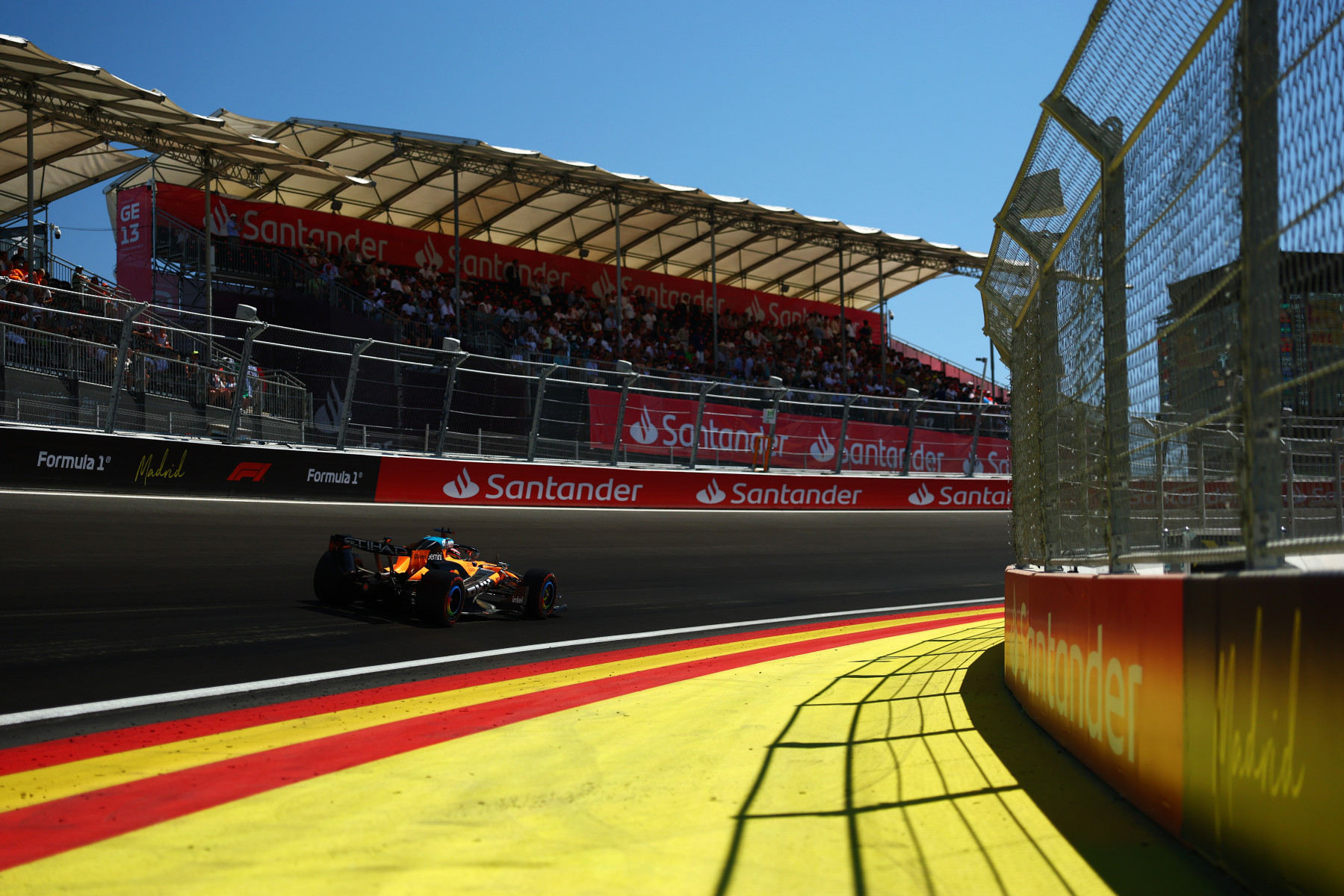
The new Madrid street circuit delivered everything a modern F1 event needs this weekend—except good racing on the track itself.
The premiere of the Madring, the new street course around Madrid's IFEMA exhibition grounds, triggered a reaction in Formula 1 that rarely comes together so uniformly: the support program was celebrated, the race track itself, however, was openly criticized by multiple drivers. The reason is a layout that offers thrills in qualifying but barely allows passing opportunities in the race—a contradiction now occupying both the driver paddock and social media.
The drivers: thrilled on Saturday, deflated on Sunday
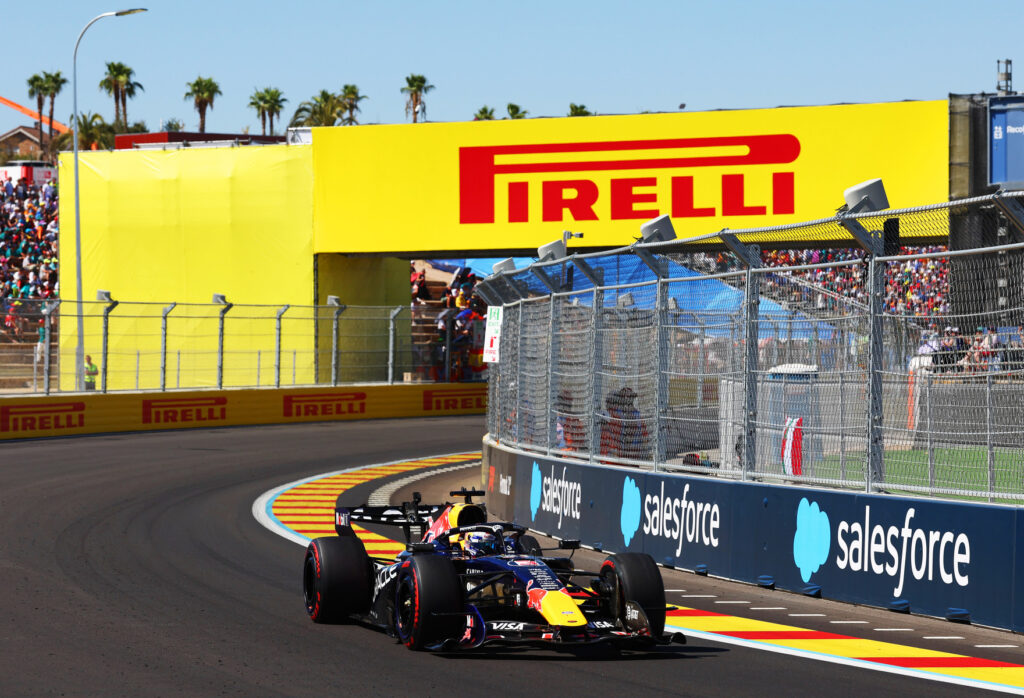
For a single qualifying lap, the Madring earns consistently strong marks from the pilots. The steep La Monumental corner, which forms turns 10 through 12, demands nerve and precision and was described by several drivers as physically demanding and technically challenging. In the race, however, sentiment shifted noticeably. Max Verstappen put it bluntly, calling the track excellent for Saturday but poor for race day, paired with a call for drivers to have more say in future track designs.
Others were more direct. Gabriel Bortoleto said he was "nearly asleep" during the race and complained of headaches from the bumps in turn 5. Ollie Bearman called the course a "miserable racing track," saying you don't need to be a genius to see that no racing action happens here. Kimi Antonelli said the track offered little incentive to overtake, with passing attempts resulting in collisions roughly 80 percent of the time—an assessment that at least confirms the fundamental issue of scarce passing zones, though the exact percentage understandably remains the driver's subjective take.
Both Spanish homegrown drivers found strong words too. Fernando Alonso and Carlos Sainz collided in the tight turns 5 and 6, and Alonso further criticized how the regulations in the La Monumental corner let driver skill fade away since everyone can stay flat on the throttle there anyway. Lando Norris stayed more constructive, offering concrete proposals: he called for removing the slow turns 18 and 19 in favor of a long straight with a broad hairpin and a shortened pit lane to give teams more strategic flexibility.
The track designer defends his work but tempers expectations
Jarno Zaffelli, founder of the Dromo design firm and responsible for the Madring layout, didn't outright dismiss the criticism but contextualized it within the constraints of physical reality. The track wasn't a greenfield design but had to fit into a densely developed urban area of exhibition halls, existing road networks, and environmental regulations—a scope that was heavily constrained from the start, according to Zaffelli.
After the race, he acknowledged that passing opportunities didn't function as hoped, partly because originally planned gravel beds or tighter corner radii had to be modified later for safety and space reasons. When asked about calls for major changes, he was cautious: due to infrastructure constraints, only minimal layout adjustments are realistic going forward, a statement that offers little hope in response to Norris and Verstappen's calls for substantial overhauls.
The fans: party atmosphere on site, mockery online
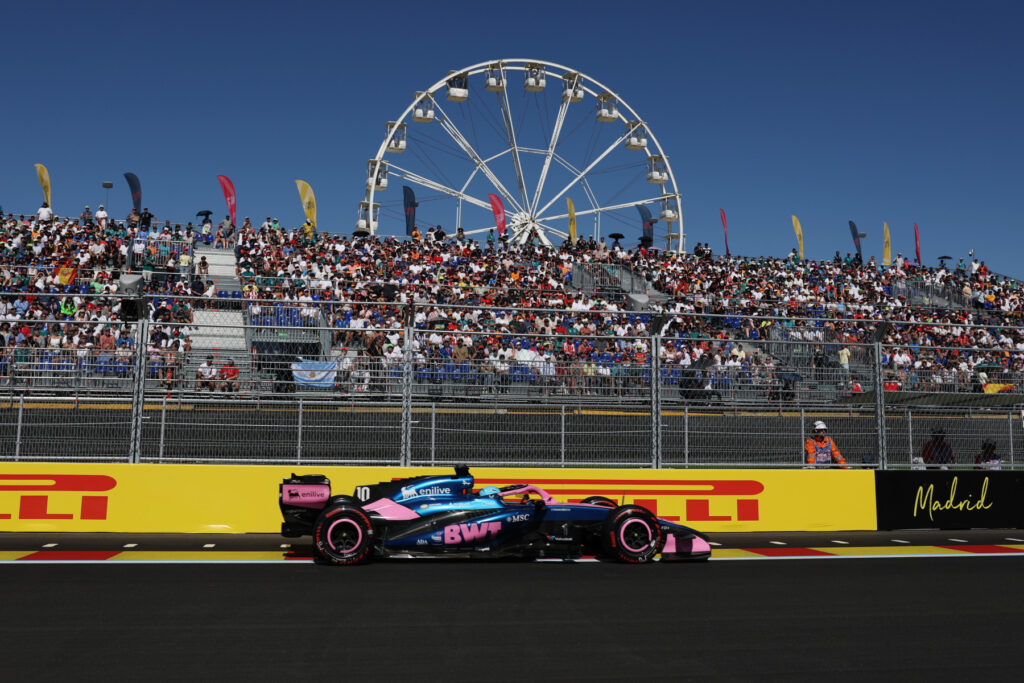
On the ground in Madrid, spirits were high. The return of Formula 1 to the region for the first time since 1981 in Jarama was celebrated by Spanish fans with packed crowds, concerts, and sold-out grandstands around the IFEMA grounds. As a major event, the weekend clearly succeeded.
The verdict in social media and forums was considerably harsher. There the race was sharply criticized as a processional, at times mockingly dubbed "Monaco on Spanish soil." The charge many users leveled: Formula 1 had bought itself another artificial city race with no real sporting value while traditional tracks fight increasingly for their calendar slots.
The Madring succeeds as a stage and crowd draw, but falls short as a racing circuit. With drivers openly calling for changes and the track designer simultaneously acknowledging limited room for maneuver, the debate over the layout seems likely to accompany Formula 1 well into the next season.