Marco Rossi · F1-Korrespondent
The enthusiasm is back, but Formula 1's schedule doesn't have room for nostalgia.
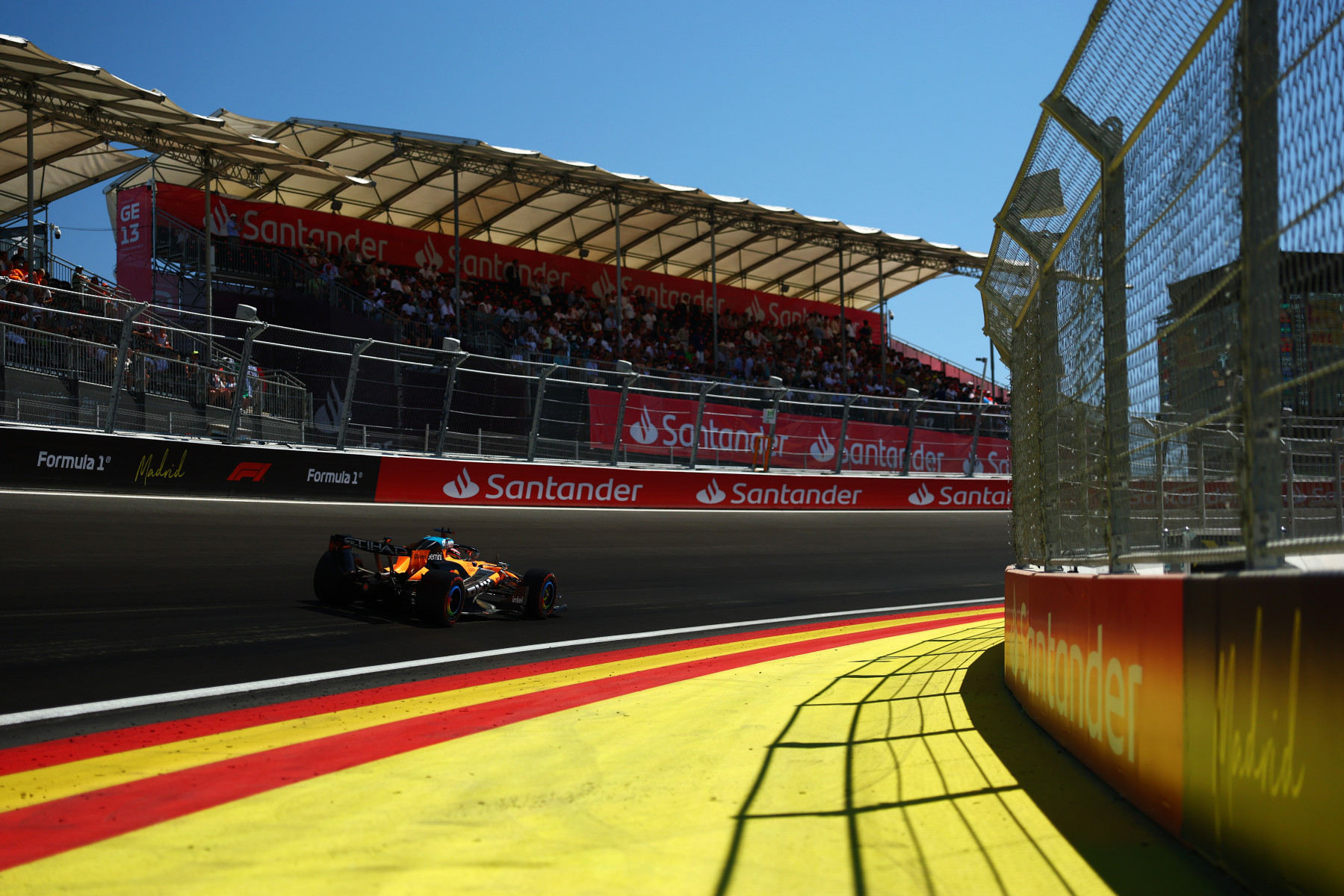
FIA President Mohammed Ben Sulayem gave Argentine President Javier Milei a provisional green light during the FIA American Congress in Buenos Aires that a Grand Prix in Argentina could return to the Formula 1 calendar. The condition he stated on local television, however, is unambiguous: the calendar has reached its breaking point at 24 races, and a new Grand Prix would only fit if another one gives way.
Between Sympathy and Hard Reality
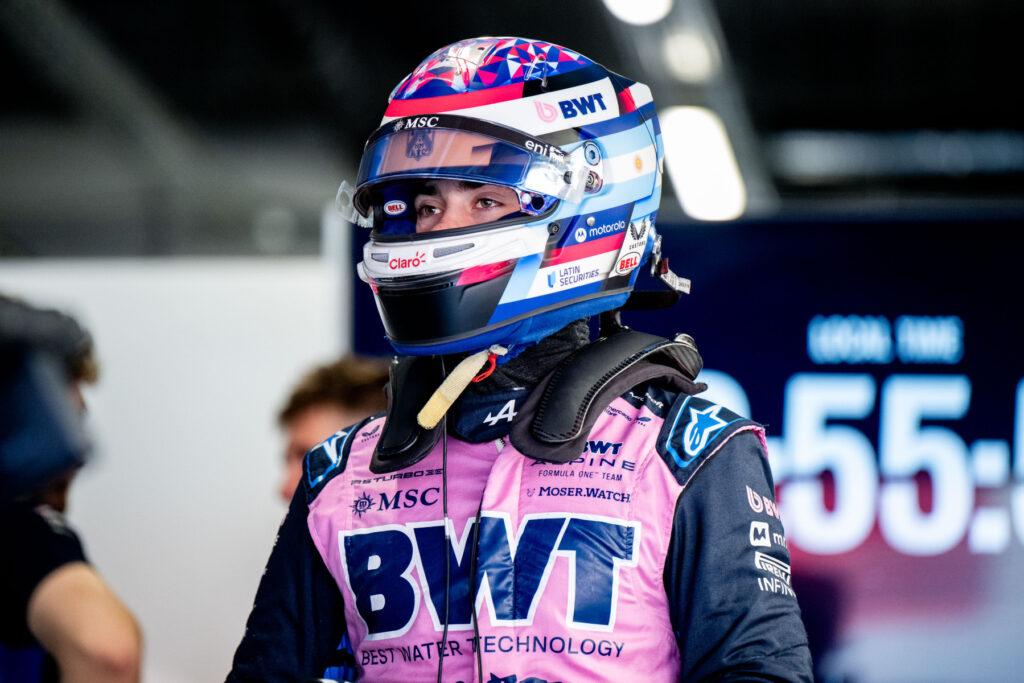
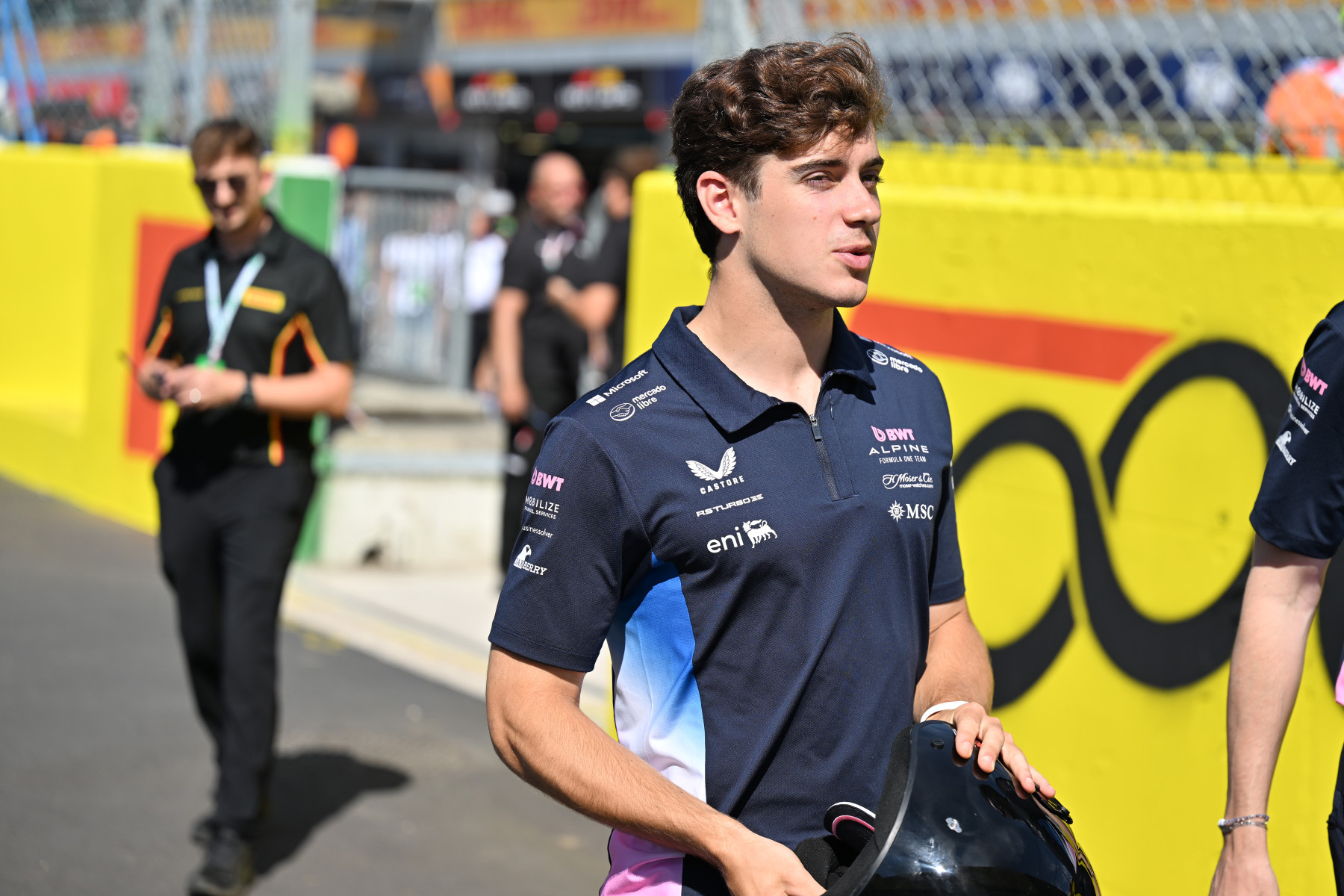
Motorsport fever in Argentina is running higher than it has in decades, driven by Franco Colapinto's rise and the enduring legacy of Juan Manuel Fangio. Milei wanted to harness this momentum to bring Formula 1 back to the Autódromo Oscar y Juan Gálvez, that storied track on the outskirts of Buenos Aires, after nearly three decades away.
Ben Sulayem left no doubt that the FIA takes the request seriously. "Does Argentina deserve a spot on the calendar? The answer is yes," he said, citing both the country's racing heritage and its economic stabilization under Milei. Yet this yes, as he made clear, hinges on pure math: "Beyond the emotional side, there's the rational side. There's a process, a business plan, and a limited number of slots. If Argentina wants in, someone else has to leave," Ben Sulayem said.
The Battle Over the Last Available Slots
This is precisely where the real backstage conflict ignites. Drivers and teams are demanding a hard cap on race density to keep the burden of intercontinental travel within reasonable bounds, a demand Liberty Media, as rights holder, can no longer ignore without overextending its own workforce. At the same time, deep-pocketed bidders from the Middle East, Asia, and the United States are lining up, ready to pay nine-figure appearance fees for a calendar spot.
Argentina joins a lengthy waiting list while simultaneously turning up the heat on tracks that commercially can no longer easily compete with modern street circuits. Traditional venues like Spa-Francorchamps or Imola face recurring pressure to lose their slot or at least get rotated with other European races like Zandvoort or Barcelona. A new date for Buenos Aires, then, would hardly be a simple expansion but would almost inevitably come at the expense of an established Grand Prix, a prospect that understandably meets little enthusiasm in Europe.
Modernization Yes, Return Toward Decade's End at Earliest
Technically, the project isn't ready yet. The Autódromo Oscar y Juan Gálvez is currently undergoing renovation estimated at around $100 million, but it must first achieve FIA Grade 1 status before any concrete scheduling can happen. Even if this modernization stays on schedule, calendar inclusion would realistically be possible only toward the end of the decade, and only if another Grand Prix steps aside.
Argentina brings nearly everything a race promoter needs for a comeback: political momentum, a passionate fan base, and Colapinto, a fan favorite who has already brought the country back to television screens worldwide. What's missing is simply an open slot in a calendar that has already hit its own limits. Until that changes, Buenos Aires remains what it has been for years: a country with a claim to the grand stage, still waiting in the audience for now.