
Bobby Travis · NASCAR/IndyCar Correspondent
Lighter, stronger, and with a nod to the past: The NTT IndyCar Series has revealed its future chassis, which will replace the DW12 that has been in service since 2012 come 2028.
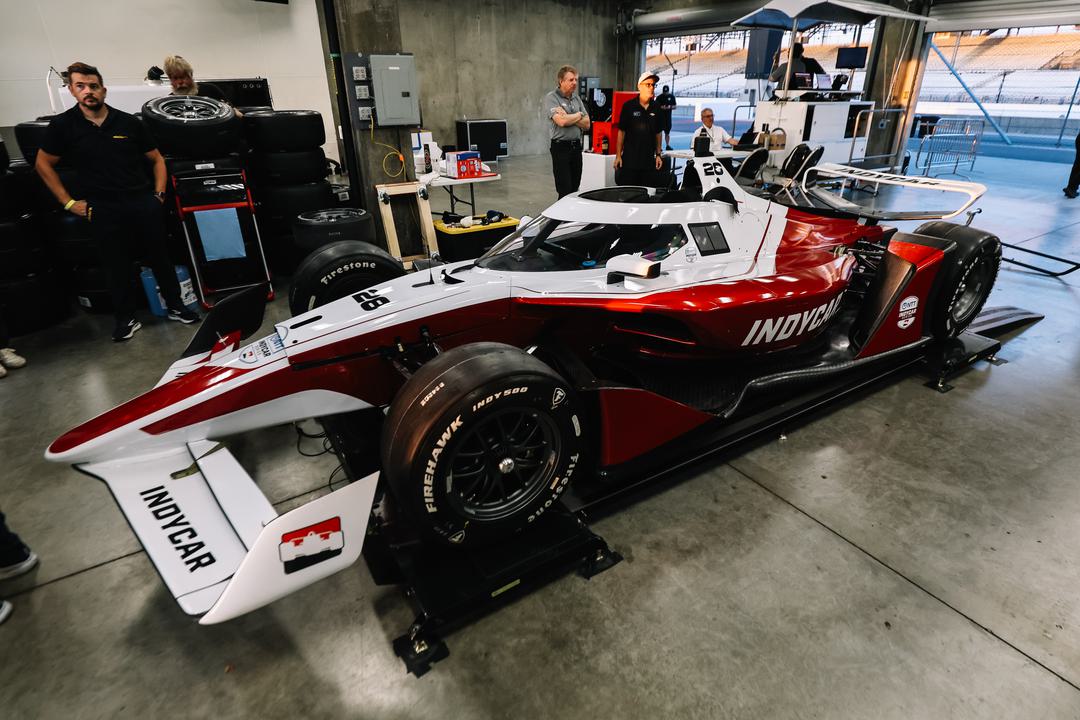
In late July, the NTT IndyCar Series officially unveiled the Dallara IR-28, the new chassis that will take to the track starting with the 2028 season. Developed to replace the DW12, which has been in the field since 2012, the car began testing at Indianapolis Motor Speedway in late July 2026, with Alex Palou and Alexander Rossi among those behind the wheel.
Lighter, stronger, more horsepower under the hood
The most obvious difference from the current car shows up on the scales. The IR-28 carries roughly 45 kilograms less than the DW12, a margin that IndyCar says should deliver noticeably better drivability and higher corner speeds.
A completely new 2.4-liter V6 biturbo sits beneath the rear wing. Chevrolet and Honda, however, aren't collaborating as joint developers but remain competitors: each manufacturer builds its own powerplant to the new regulations. An overhauled hybrid system follows suit, managing to store significantly more energy despite being roughly 10 kilograms lighter than the current unit. In total, the IR-28 should produce up to 760 horsepower, a performance jump that should prove noticeable on both ovals and road courses alike.
Aerodynamics built for closer following
When it comes to aerodynamics, engineers zeroed in on a problem that has plagued IndyCar drivers for years: the turbulence trailing the car ahead. The IR-28 was deliberately designed to reduce this wake, which should make slipstreaming easier and ultimately improve overtaking opportunities in corners. Especially on flatter ovals, where tight traffic rather than pack racing shapes the race, that could make a real difference.
Visually, the car is meant to carry the DNA of earlier IndyCar generations without compromising on safety. The aeroscreen remains an integral part of the design, complemented by stronger side structures and reworked crash structures that should give the car more reserves despite its reduced weight than the DW12 offered.
From Indianapolis to the 2028 season
IndyCar's choice of Indianapolis Motor Speedway for the first test runs was no accident. Alex Palou and Alexander Rossi handled the initial shakedowns and oval testing between late July and September 2026, well ahead of the actual racing debut. The series has made it clear that it aims to break existing track records with the new chassis, Indianapolis included.
One more season, 2027, remains before the IR-28 sees its first points-paying race, during which additional testing, fine-tuning of engine and hybrid systems, and homologation processes are expected to unfold. For teams and drivers, that amounts to one thing above all: whoever understands now how the lighter, more powerful car behaves in traffic and on road courses could gain an advantage in 2028 when the DW12 finally retires after more than a decade and a half in service.