
Bobby Travis · NASCAR/IndyCar Correspondent
After a crawl through the first stage at Talladega, the NASCAR Cup Series has seen enough and wants to put an end to fuel saving in the offseason.
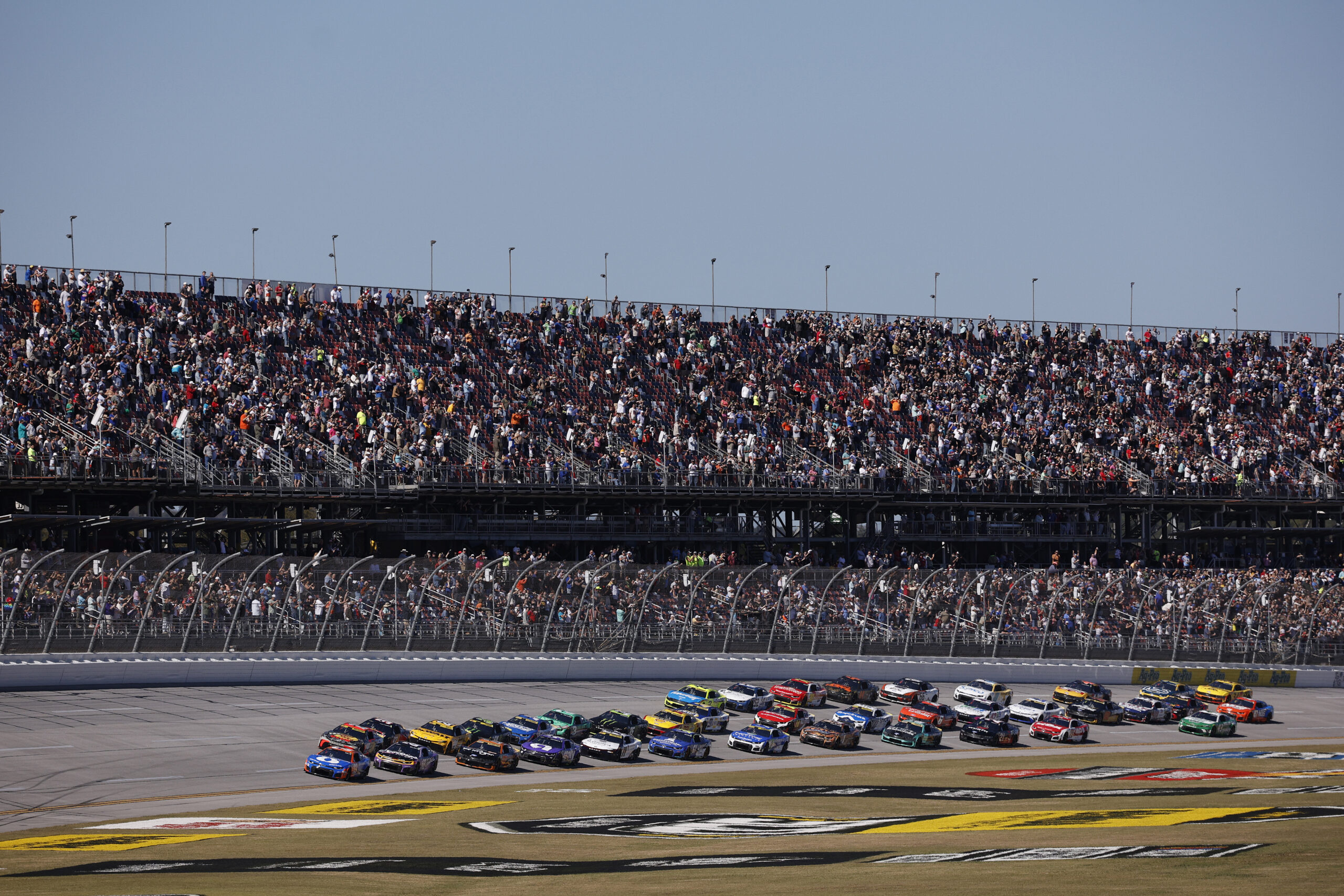
In the YellaWood 500 at Talladega Superspeedway on October 25, much of the field ran the first stage at only 25 to roughly 43 percent throttle and at speeds below 160 mph to save fuel. NASCAR responded during the race with a warning to the teams and announced afterward that it would tackle the problem in the offseason.
Crawling instead of flat-out racing
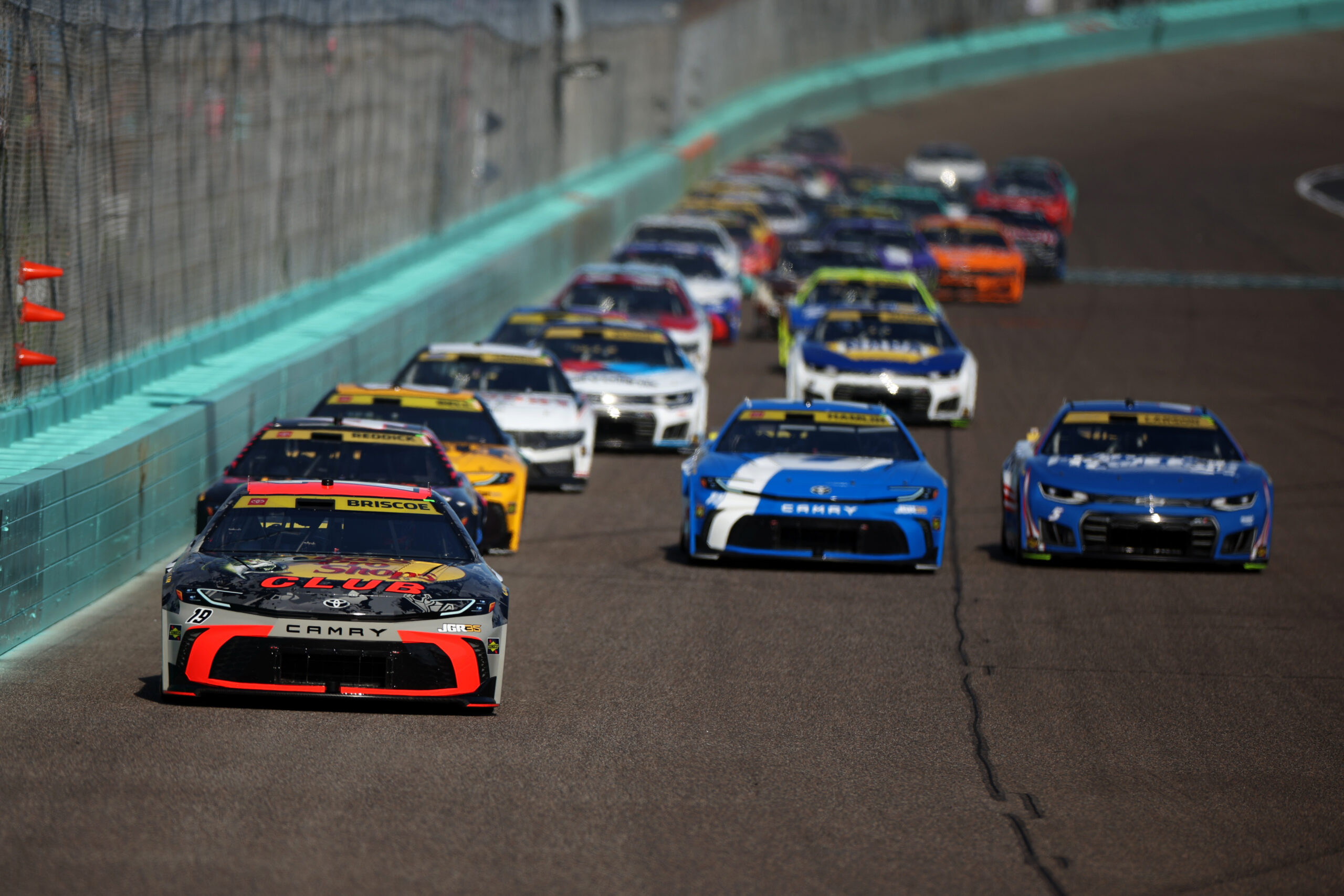
Anyone who looked at the timing data that weekend could hardly believe it: in the first stage, almost the entire field rolled around the tri-oval in slow motion, some cars well below 160 mph. The reason is cold strategy. With the Next Gen car's high drag, pulling out of line to pass costs a lot of time, so teams would rather defend their position. Saving fuel along the way means less fuel to add on the pit stop and a quicker trip back onto the track.
Not everyone played along. RFK Racing let its three cars break away and built a lead of up to just over 20 seconds, while the rest of the field stayed in saving mode. At the end of Stage 1, Chris Buescher, Ryan Preece and Brad Keselowski ran first through third. Kyle Larson won the race in the end, in the eighth race of the Chase, edging William Byron in overtime.
The black flag as a threat
Race control did not let the crawl go on for long. At Talladega, the minimum speed is 12.5 percent slower than the pole time, which worked out to a lap of about 57 seconds. At times the field was running 59-second laps. Mike Forde, NASCAR's vice president of racing communications, said on the “Hauler Talk” podcast that about 75 percent of the field had been below that limit for a lap or two.
NASCAR then sent a message to all of pit road through its Microsoft Teams chat: anyone who did not pick up the pace would be black-flagged. “Soon after, they picked it up. The message was delivered, and so that's why we did not black flag anybody,” Forde said.
That it came to this at all shows how willing the teams are to operate at the edge of the rules. NASCAR had already reacted: the first stage has been considerably longer since the spring, while the last two, at 45 laps each, are short enough to run without a fuel stop. Since Daytona in August, the rear spoiler has also been cut from 4 to 3.5 inches and engine power has been reduced. Even so, the long first stage remained an invitation to save fuel.
The offseason as the deadline for a fix
Brad Moran, managing director of the NASCAR Cup Series, made clear on SiriusXM NASCAR Radio on Wednesday how seriously the series is taking the issue. “There's so much engineering in the sport now, which has made some great improvements, but there's some downsides to it. This would be one of them,” Moran said. Not much can be done about it under the current rules for 2026, he said, but the fix will “probably be project number one” for the offseason.
Moran named two specific options: adding another stage, if the broadcast partners go along with it, and different-size fuel cells. According to Moran, any of these measures would be a big change, and it has to be built so the teams cannot beat it again. Only then should superspeedways like Talladega and Daytona once again show what fans actually come for: flat-out racing from the first lap to the last.