
Marco Rossi · F1 Correspondent
After 33 years away, the pinnacle of motorsport is reclaiming the African continent, with a new circuit that has yet to be built.
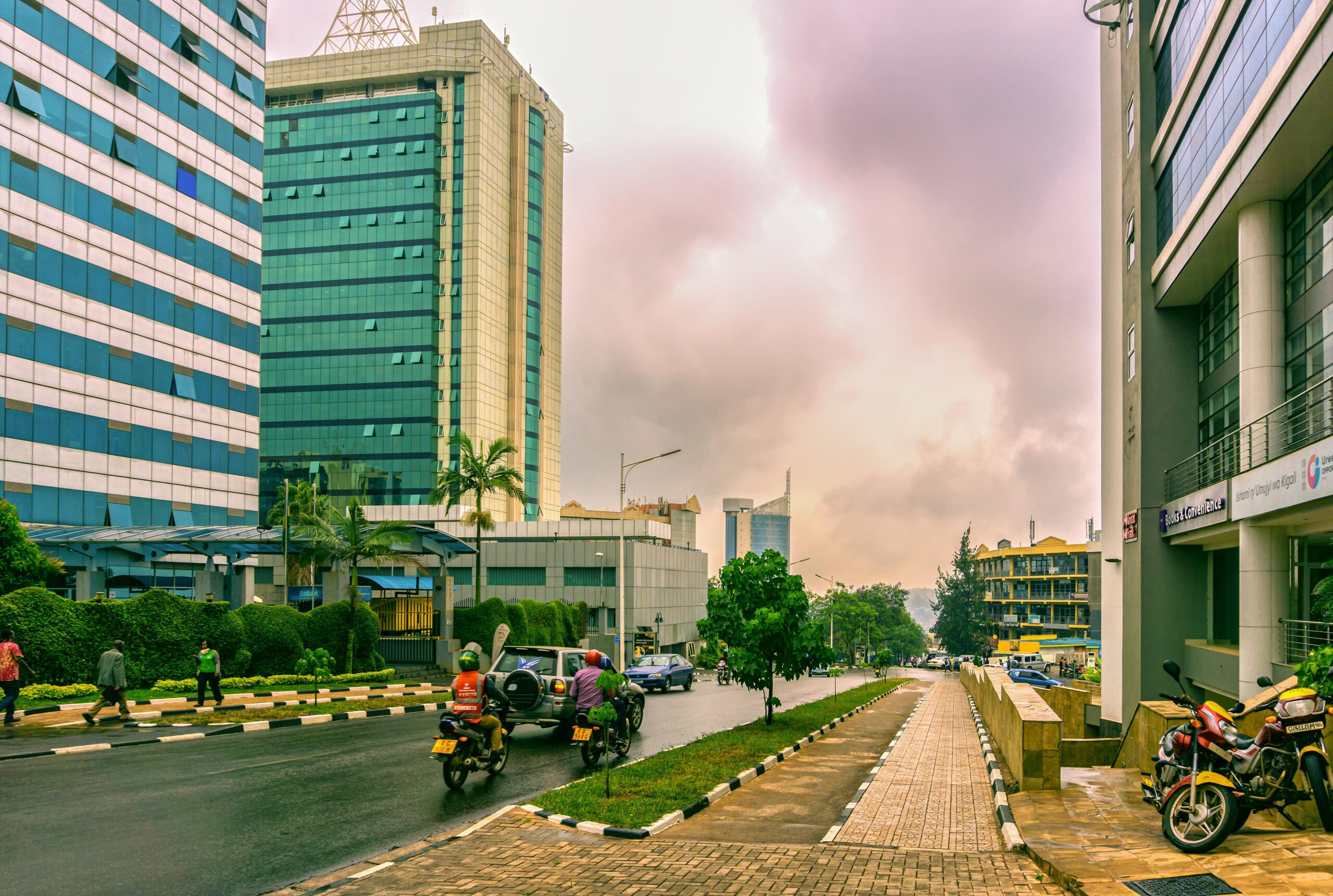
Formula 1 signed a ten-year deal with Rwanda on October 13, 2026, and with it returns to Africa for the first time since 1993. The first race of the future “African Grand Prix” is planned for 2030 at the earliest, in the early 2030s according to Formula 1, and will be held in the Bugesera district, around 40 kilometers south of Kigali, right next to the new Bugesera International Airport currently under construction. The deal was signed in Kigali in the presence of Rwandan President Paul Kagame, F1 CEO Stefano Domenicali and FIA President Mohammed Ben Sulayem.
A gap that stayed open for 33 years
The last Formula 1 race on African soil took place in 1993 at the Kyalami Grand Prix Circuit in South Africa. Since then, Africa has been the only inhabited continent without a Grand Prix of its own. The Rwanda deal closes that gap, and Formula 1 will once again be present on every inhabited continent.
For drivers like Lewis Hamilton, the multiple world champion, the sport’s return to Africa has been a personal cause for years. “For the past six years I’ve been fighting in the background to get a grand prix,” he said, according to Autosport. That it is Rwanda of all places that ends this long absence is likely to be read as both a political and a sporting signal, less a coincidence than a deliberate choice by a series that has been steadily expanding its portfolio toward new, emerging markets for years.
The circuit: elevation instead of flatland
The track itself exists only on paper so far. It is being developed by WurzDesign, the design firm of former F1 driver Alexander Wurz, together with Tilke Engineering and DAR, firms that have been involved in numerous new Formula 1 circuits over the past two decades. The plan is for a roughly six-kilometer track with 17 corners that runs counterclockwise and deliberately follows Rwanda’s hilly landscape, with around 197 meters of elevation change per lap.
This topography would be unique on the current calendar. Most modern Grand Prix circuits have been built on flat terrain or in urban settings, and a track with such a pronounced elevation profile would raise new questions for drivers and engineers alike, from aerodynamic setup to brake loads on the downhill sections.
Timeline and open questions
The long lead time into the early 2030s is no coincidence, but a direct result of the infrastructure situation. Both the circuit and the airport it needs have to be built from scratch, so the race’s entry into the calendar depends largely on the completion of Bugesera International Airport, which is scheduled to open in the second half of the 2020s. Delays on major projects like these have repeatedly occurred at new Formula 1 venues in recent years, which is why a specific first year cannot yet be named with any confidence.
Beyond construction, the deal is accompanied by a critical debate. Amnesty International called the agreement a “sportswashing prize” for the Rwandan authorities, citing arbitrary detention, torture, the repression of free speech and Rwanda’s support for the M23 militia in eastern Congo. Formula 1 has faced similar accusations at several venues in the Middle East in recent years. Formula 1 responded that the sport could reach 100 million people in Africa and be a positive force there. How the series handles this criticism is likely to shape public perception of the project in the coming years at least as much as construction progress on the track itself. There is plenty of time before the first green light in Bugesera to see whether the announcement really turns into a permanent place on the calendar.