Marco Rossi · F1 Correspondent
A race with two Safety Car periods and a red flag tore the field apart – proving once again that in Monaco, tyre management and nerve matter more than raw pace.
Andrea Kimi Antonelli claimed his fifth consecutive victory, proving once again that he is the benchmark of this season – even on a weekend that could have belonged to Max Verstappen and Charles Leclerc. Both had qualified near the front, and both retired. The result completely upended the form shown in practice, underlining just how much Monaco depends on incidents rather than raw lap time.
From a Practice Tug-of-War to Pole for Antonelli
Free practice already hinted that Mercedes and Ferrari would be competitive in Monaco, though the exact order shifted from session to session. Leclerc topped FP1 ahead of Hamilton and Verstappen, Hamilton turned the tables in FP2 with a best time of 1:13.026, before Antonelli took over the top spot for the first time in FP3 with a 1:12.720 – a sign that Mercedes had the best handle on long-run balance over the weekend, while Ferrari was strong in short bursts but less consistent on fine-tuning.
Qualifying confirmed that trend: Antonelli secured pole with a 1:12.051, just 43 thousandths ahead of Verstappen, marking his best grid slot of the weekend. Hamilton and Leclerc lined up third and fourth, each around two to three tenths off the pace. Isack Hadjar’s fifth place for Red Bull stood out – a sign he’d have the race pace needed to work his way forward through a chaotic race.
Two Safety Cars, One Red Flag – and Two High-Profile Retirements
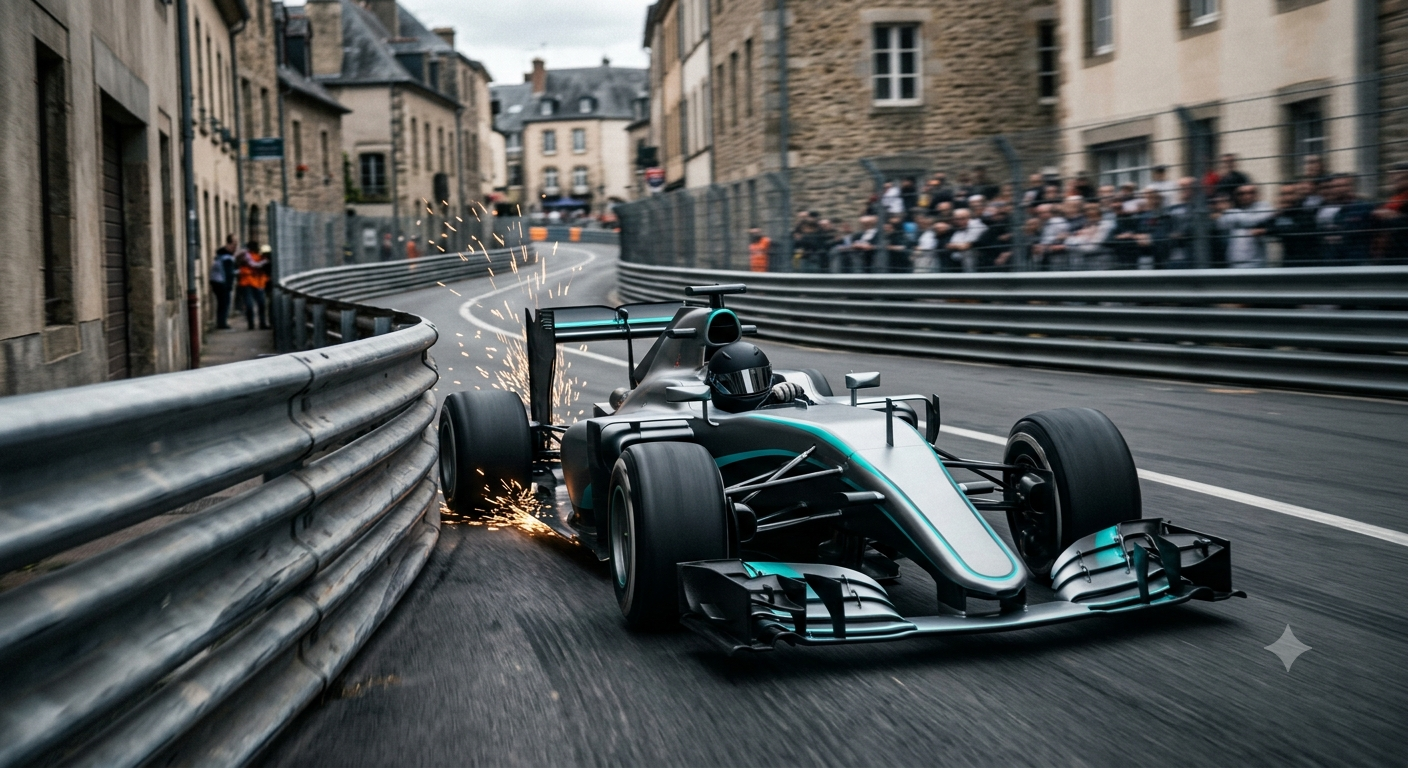
The race itself became a textbook example of how quickly Monaco can undo a strong starting position. Two Safety Car periods and a late red flag broke the race rhythm into several segments, helping any driver who could reset their tyre strategy after the interruptions. Verstappen, who had started from second, retired – a blow to his championship ambitions, especially since second on the grid at Monaco traditionally offers a strong platform for victory if no mistakes are made.
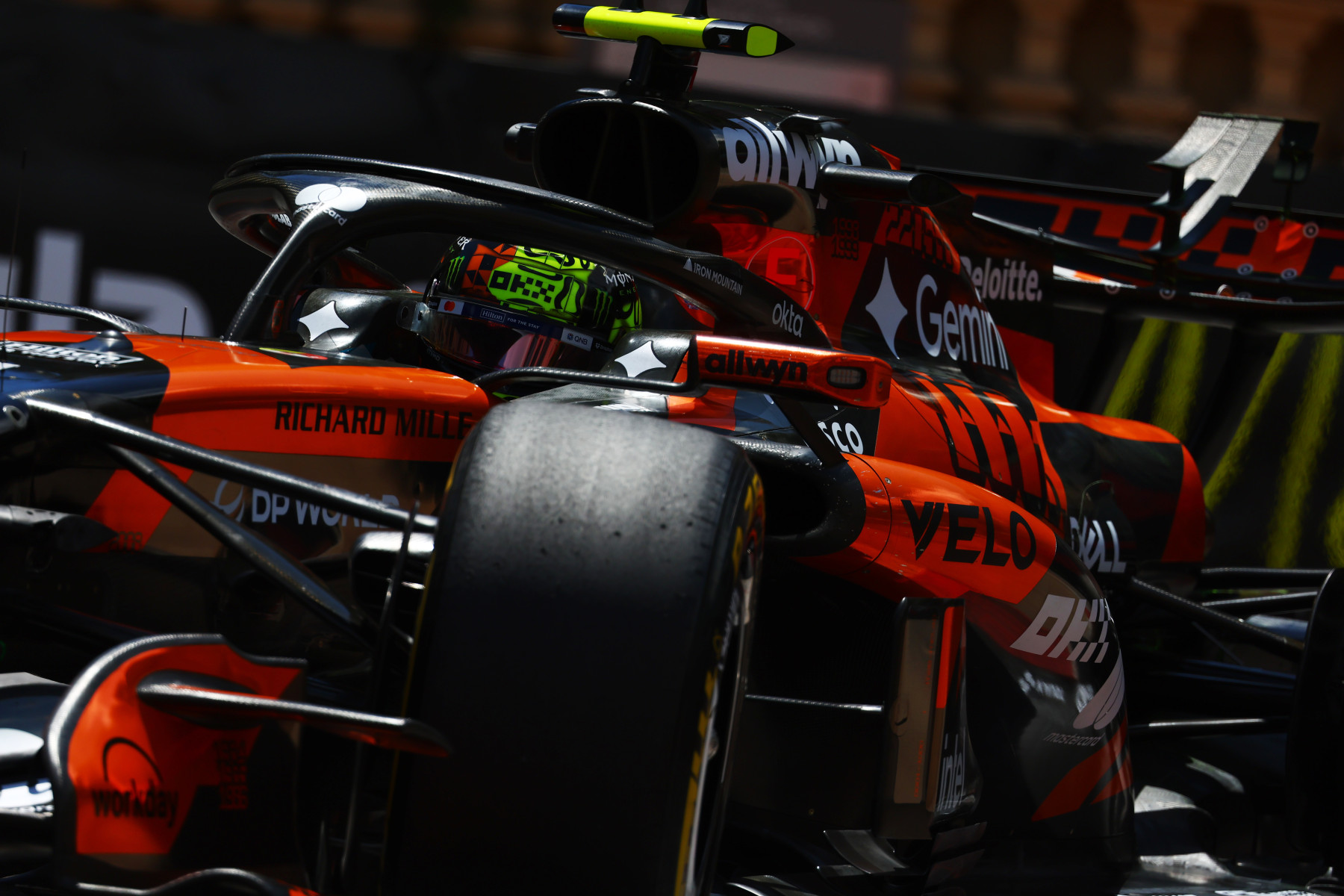
Even more painful was Charles Leclerc’s retirement, who hit the barriers after the restart on lap 66. The Ferrari driver made clear over team radio that he didn’t consider himself responsible for the incident, citing tyre and car issues. Regardless of where the blame lies, the retirement cost Ferrari a shot at a podium in Monte Carlo, a race that traditionally carries special symbolic weight for the Scuderia. Lando Norris, Carlos Sainz, Lance Stroll, Oliver Bearman and Valtteri Bottas also failed to finish – an unusually high retirement count for Monaco that underscores how difficult the race was with its restarts.
Hadjar and Gasly Capitalise on the Chaos, Antonelli Stays Cool
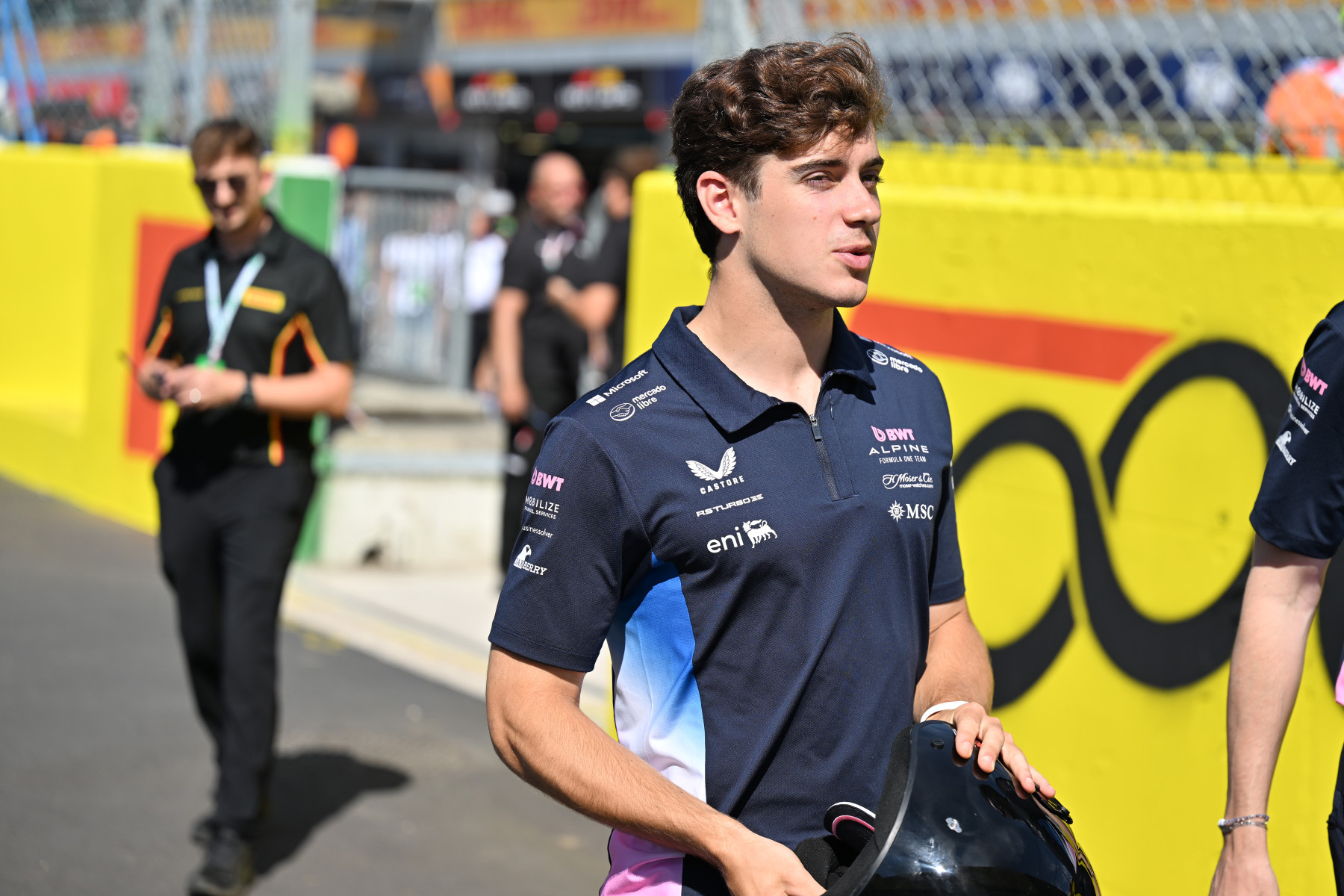
While the favourites faltered up front, the midfield showed who kept their composure. Pierre Gasly completed a strong result for Alpine with third place, after a post-race review reshuffled the order further back, costing Piastri, Lindblad and Lawson a position each. Despite mechanical issues, as Red Bull Racing confirmed, Isack Hadjar salvaged his second career podium – the first for his new team – finishing fourth, just over three seconds behind Gasly. A result that was hardly expected given how qualifying had gone, and one that shows how much defensive, error-free driving through the restart phases is rewarded at Monaco.
Antonelli, by contrast, wasn’t rattled by the interruptions and brought his lead home safely over the full race distance, with Hamilton the closest pursuer 6.271 seconds behind. The consistency with which the young Italian is now winning five races in a row shifts the championship dynamic significantly in his favour, especially since his closest rivals Verstappen and Leclerc both came away empty-handed from Monaco. For the races ahead, that means Red Bull and Ferrari need to work not just on raw pace, but above all on stopping themselves from dropping points under pressure and during restarts – or risk letting Antonelli’s championship lead become unassailable.