
Marco Rossi · F1 Correspondent
A fifty-point lead after eleven of twenty-three races tells a story that seemed impossible just a year ago.
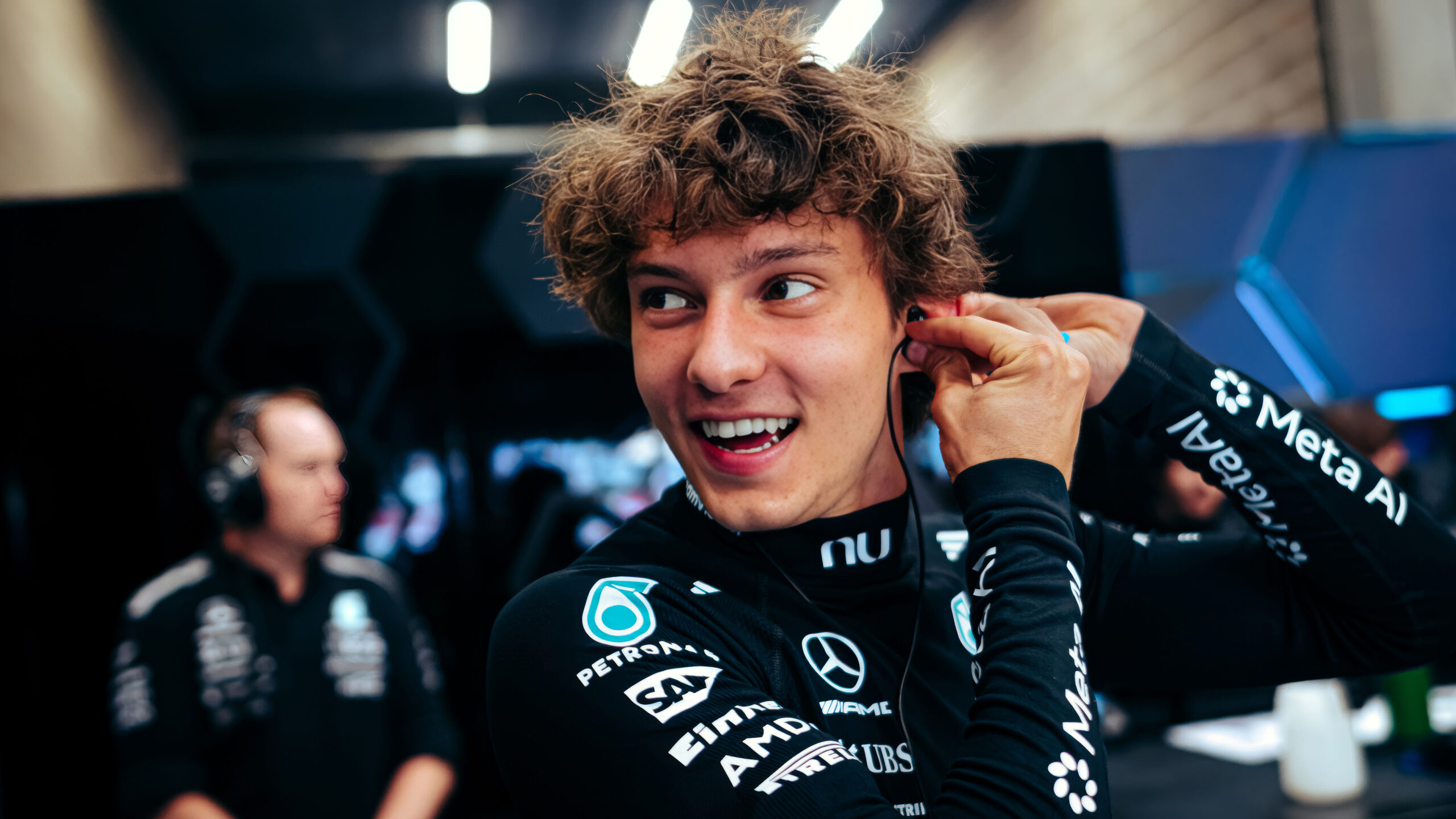
Nineteen years old, sitting atop the drivers' standings, with a cushion that looks less like a typical title fight and more like a show of force at this stage of the season. Andrea Kimi Antonelli heads into the summer break on 219 points, fifty ahead of Lewis Hamilton in second place and fifty-nine clear of his own teammate George Russell. What counted as a promising debut for a young Italian at Mercedes last season has transformed into something in 2026 that, without exaggeration, amounts to dominance.
From Talent to Pacesetter
The shift to the new engine and aerodynamic regulations for 2026 has noticeably reshuffled the balance of power in Formula 1, and Mercedes appears to have navigated this upheaval earlier and more thoroughly than the competition. Antonelli benefits not just as a passenger in a strong car, but he exploits the package with a maturity that belies his age. Victories in China, Japan, Miami, Canada, and Belgium span vastly different circuit characteristics, from high-speed corners to braking zones that punish mistakes mercilessly. This is no accident of a single good run of races, but the fingerprint of a driver who maximizes his car in nearly every configuration.
What stands out less is the number of wins and more is how Antonelli has protected his lead even when a weekend didn't unfold as planned. A driver who only wins under perfect conditions doesn't build a fifty-point margin. One who extracts the maximum from difficult race situations does.
Lewis Hamilton sits second with 169 points, and the fact that he's the next pursuer adds a certain flavor to the title fight despite the large gap. The move to Ferrari was supposed to launch a new success story for Hamilton, instead he's engaged in a battle this season with a driver less than half his age, piloting a more competitive car. Charles Leclerc behind him with 138 points shows that Ferrari as a team isn't without a chance, but the overall picture remains clear: the Scuderia is chasing, not leading.
Red Bull and Max Verstappen, down to 109 points and clearly out of contention, have evidently struggled more than Mercedes with adapting to the new regulations. A multiple world champion suddenly sitting outside the top three in the championship is itself one of this season's most striking developments and underscores how dramatically the overhaul has upended the familiar pecking order.
What a Lead Can Still Become
Fifty points with twelve races remaining is no guarantee, but it's a cushion that allows Antonelli to drive more conservatively when circumstances demand it while still heading into every weekend as the favorite. Formula 1 has plenty of examples of large leads melting away in the second half of the season, usually when reliability or mental strength cracked under the pressure of an impending coronation. Antonelli has shown no signs of that so far, but a title contender's real test often begins only when the competition has nothing left to lose.
For Mercedes, this season means more than just a promising driver. It's proof that the reorientation following the regulation change works, and a signal to a driver market that had long since adjusted to other names at the top. Whether the lead becomes a world championship title will be decided in the coming months, but Antonelli has already put his stamp on the 2026 season.