
Bobby Travis · NASCAR/IndyCar Correspondent
Following brake issues at Gateway, Iowa, Nashville, and New Hampshire, Cup teams can swap front brake rotors and pads at Phoenix without penalty after qualifying.
NASCAR loosened impound rules for the Cup Series weekend at Phoenix Raceway on Wednesday, October 14, 2026. After practice and qualifying on Saturday, teams are permitted to remove and replace front brake rotors and brake pads. The change came down as a notice to teams, as NASCAR.com and motorsport.com reported. The move stems from a series of brake problems on flat ovals with high braking loads this season.
What's allowed and what's not
The rule is narrowly tailored. According to the notice, only front rotors and pads can be swapped; all other components of the brake system remain under impound. Teams can service the rear rotors as usual during pre-race adjustments on Sunday. Any issues discovered during that process will be handled by NASCAR on a case-by-case basis.
Part of this is not entirely new. According to Brad Moran, Senior Managing Director of the Cup Series, teams have been allowed to replace damaged rotors since 2022. What is new is the ability to freely swap pads following an impound session, which Moran himself described as unusual. There is no mandate: each team decides independently whether to make changes.
The open-ended nature of the rule has a practical basis. Several crew chiefs requested after the problems in Iowa and Gateway that at least like-for-like pad replacements be permitted. However, because many pads are barely distinguishable from one another and policing such a swap would be difficult, NASCAR is now giving teams a free hand with front brake service.
Where the pressure to act comes from
The decision did not come out of nowhere. Nashville, Iowa, and New Hampshire experienced numerous brake issues this season, with the peak coming at the Enjoy Illinois 300 at World Wide Technology Raceway in Gateway on September 13. Several Cup cars experienced brake failures there. Gateway is a flat oval like Phoenix, where hard braking is a constant.
Phoenix adds another complication. Since late 2025, all tracks under 1.5 miles have run with 750 horsepower instead of 670. Phoenix was the first classic oval to run this package in March, when Ryan Blaney won. Now the series returns with the higher power level and less downforce. Moran described Phoenix on SiriusXM NASCAR Radio as a track with high brake energy, where less downforce and more power will be acutely felt.
No risk in the Chase
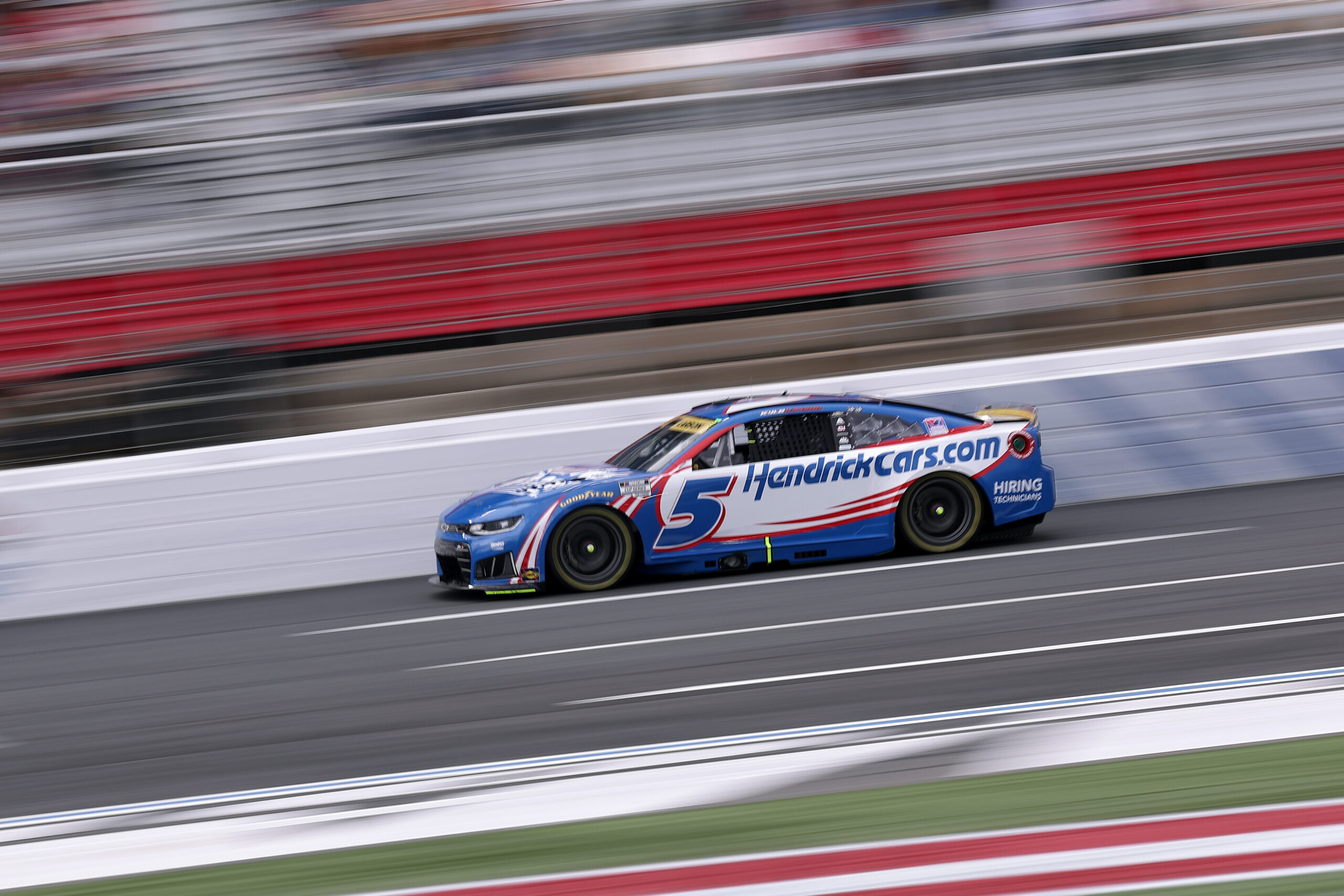
The timing is sensitive. Sunday's race is the seventh of ten in The Chase, the battle for the 2026 Cup title. Defending champion Kyle Larson leads by 49 points over Denny Hamlin. A brake failure that takes a title contender out of the race would be the last thing the series needs at this stage.
Moran framed the measure's goal on "The Morning Drive" this way: "There is no limit. If a team wants to swap pads, that's up to them." The goal is to give teams the opportunity to get it right and hopefully see no brake issues in Phoenix.