
Bobby Travis · NASCAR/IndyCar Correspondent
Ahead of the YellaWood 500 on October 25 at Talladega, NASCAR tweaks the rulebook one more time: the rear wing shrinks by another half inch, and the stages get rescheduled.
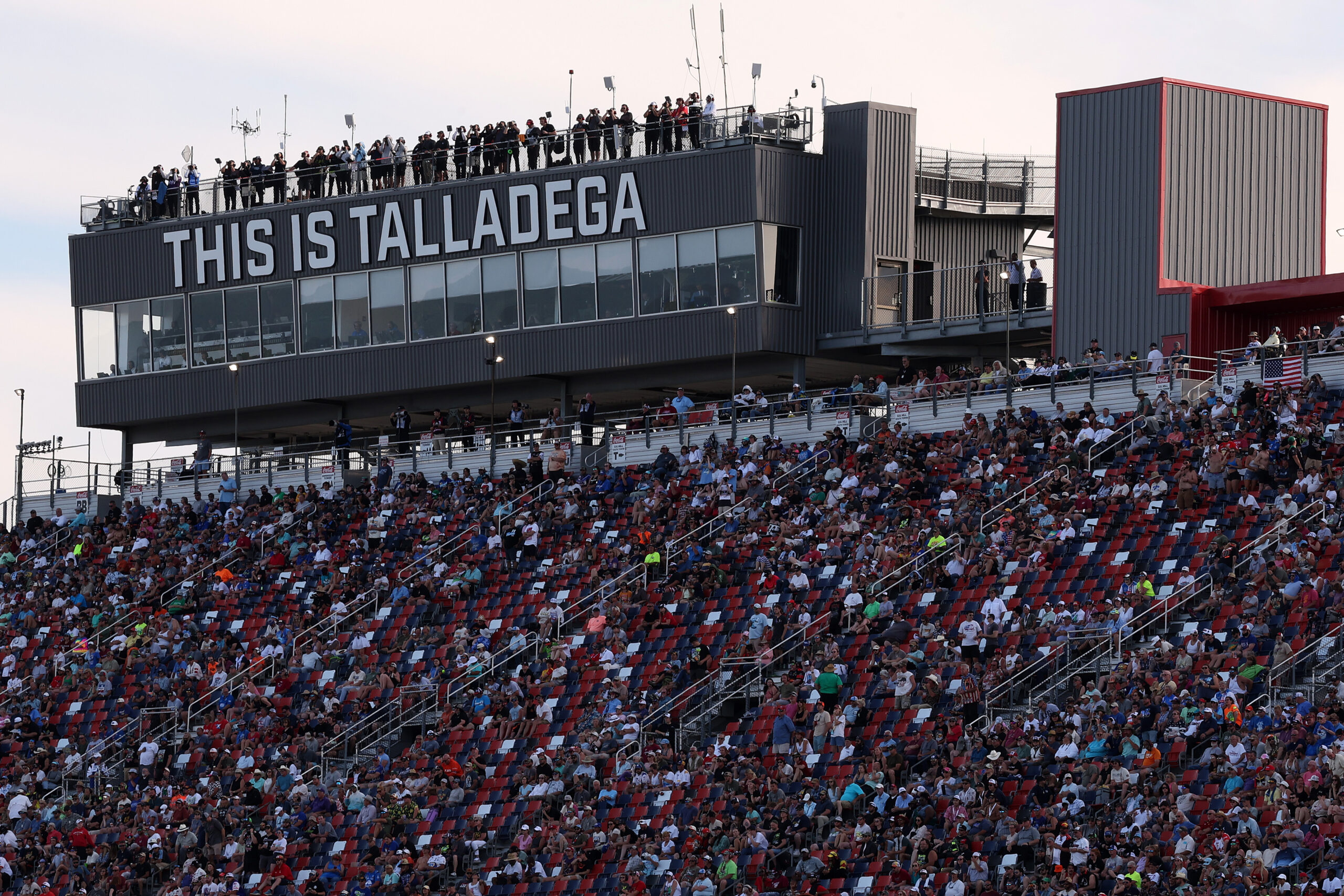
NASCAR announced changes to the superspeedway package for the Cup race at Talladega Superspeedway on October 1. At the YellaWood 500 on October 25, the eighth of ten Chase races, the rear wing stands just 3.5 inches tall instead of 4 inches. The stages also wrap up after laps 98, 143, and 188. The rest of the package stays as it ran in Daytona in late August.
Half an Inch, Big Impact
The spoiler story started in Daytona. For the race on August 29, the finale of the regular season, NASCAR trimmed the wing from 7 down to 4 inches and dropped horsepower from 510 to 465. Now another half inch comes off, with the 465 horsepower staying put.
On the surface, half an inch sounds trivial. On a superspeedway, though, that's enough to noticeably change how cars behave in the draft. Less spoiler area means less downforce at the rear, but more importantly, less drag. That's what NASCAR is after: drivers should get more freedom to maneuver in the pack, build momentum easier, and break out of line instead of just chasing track position.
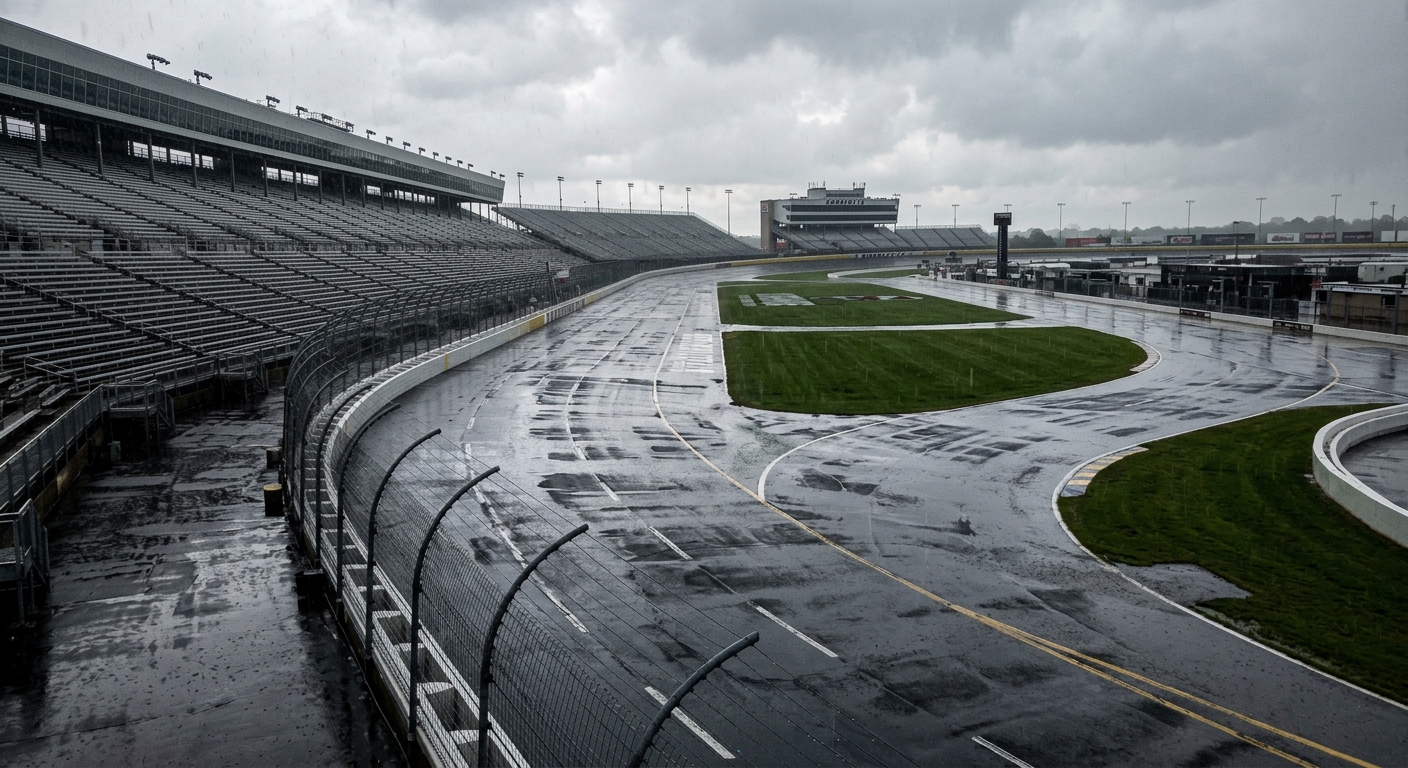
Alongside Daytona, Talladega ranks among the tracks where the superspeedway package produces genuine pack racing. Big groups run in the slipstream in tight bundles, position changes happen in fractions of a second across multiple rows at once. Any small tweak to the wing or bodywork hits this racing directly.
In Daytona, the math worked, according to Jamie McMurray. The 2010 Daytona 500 winner, now an analyst, said on NASCAR Inside the Race that drivers were able to build bigger runs there than before. Add to that: Talladega is roughly eight feet wider than Daytona, according to McMurray. Anyone who catches a run has even more space to execute a pass.
What Stays the Same on the Package
Beyond the spoiler, NASCAR leaves the car alone. Engine power and all other specs match what teams ran in Daytona in late August. For the crews, that means no full redesign, just targeted fine-tuning on a single component.
Shorter Stages to Discourage Fuel Saving
The second change concerns stage length. Originally, the stages at the YellaWood 500 were supposed to end after laps 60, 120, and 188. Now NASCAR goes with the spring Talladega race format: Stage 1 ends at lap 98, Stage 2 at lap 143, the checkered flag drops at lap 188. So the first stage runs 98 laps, the last two only 45 each.
According to NASCAR, this should cut down the incentive to fuel save and instead reward a race run flat-out to the finish. Since the Next Gen car debuted, racing on superspeedways has often drawn criticism that track position and fuel mileage matter more than passing. Together with the smaller wing, NASCAR is trying to address exactly that.
For the Chase, it carries weight. According to McMurray, stage points have never been part of a Chase format before. Drivers who grab them can afford an average result at the end. So teams have to push every stage to the end and collect as many points as possible.
How much both changes actually shape the racing will show on October 25 in the pack. McMurray expects the teams to find a loophole somewhere anyway. One thing's certain: on a superspeedway where small aerodynamic differences decide pushes, drafts, and ultimately the finish line, half an inch can make all the difference.