
Marco Rossi · F1-Korrespondent
A race bearing the name of a country where it won't be held, illustrating how fragile calendar planning has become in a world of constant crises.
Formula 1 is relocating the 2026 Bahrain Grand Prix from the Kingdom of Bahrain to the Sepang International Circuit in Malaysia due to the ongoing conflict in the Middle East. Rather than taking place on April 12 as originally scheduled—serving as the fourth round a week before the Saudi Arabian Grand Prix—the race will now run from October 2–4, 2026, as the 16th round of the championship, positioned between the Azerbaijan and Singapore Grands Prix. Officially, it carries the unwieldy yet telling name Formula 1 Gulf Air Bahrain Grand Prix in Malaysia 2026.
A Race Without a Fixed Home
The original scheduling followed the familiar logic of the Gulf double-header: Bahrain as the opening Middle East leg, Saudi Arabia one week later. The regional conflict has upended this plan, making it impossible to run the Grand Prix in Sakhir under the current circumstances.
Rather than cancel the race outright, Formula 1 and the FIA sought and found an alternative: a relocation to neutral ground, pushed back substantially into October. Keeping a Grand Prix's name while holding it in a country other than the one named in the title represents an unusual step for the series, suggesting the considerable pressure under which this solution came together.
A New Slot in the Racing Calendar
Moving the race to October places it squarely in the critical phase of the season. As the 16th round, it sits between the Azerbaijan and Singapore Grands Prix—two circuits with completely different characteristics—creating additional logistical and sporting challenges for the teams.
The new calendar placement likely carries weight for the championship battle. A race originally designed to provide early season barometers now takes place when team performance trends are already becoming clearer and the pressure of the title fight is mounting.
Sepang, a Familiar Name Returns
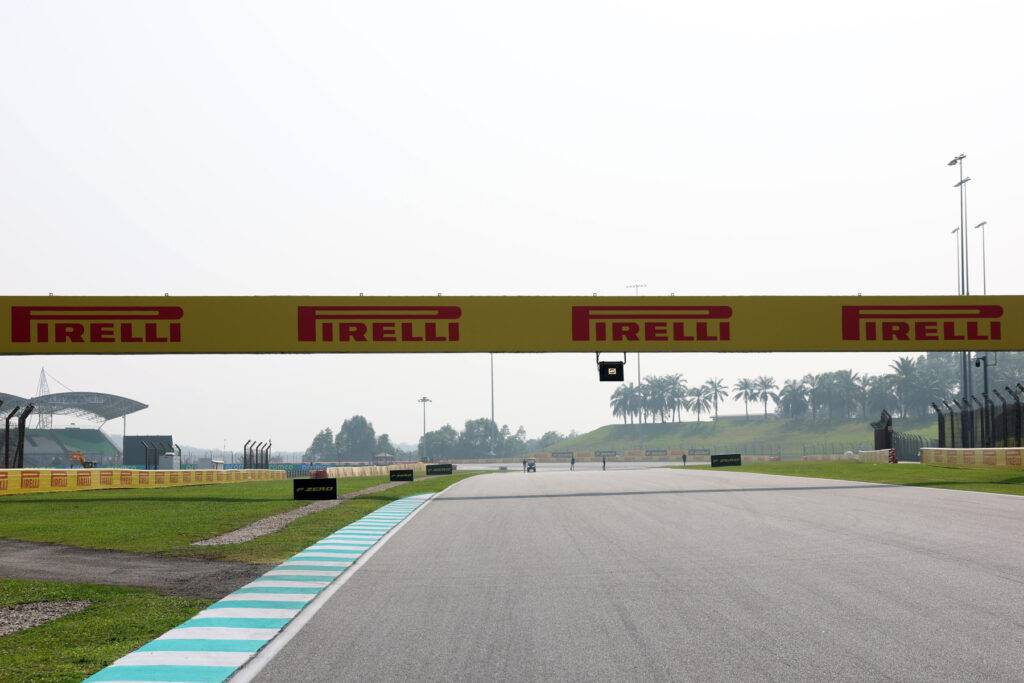
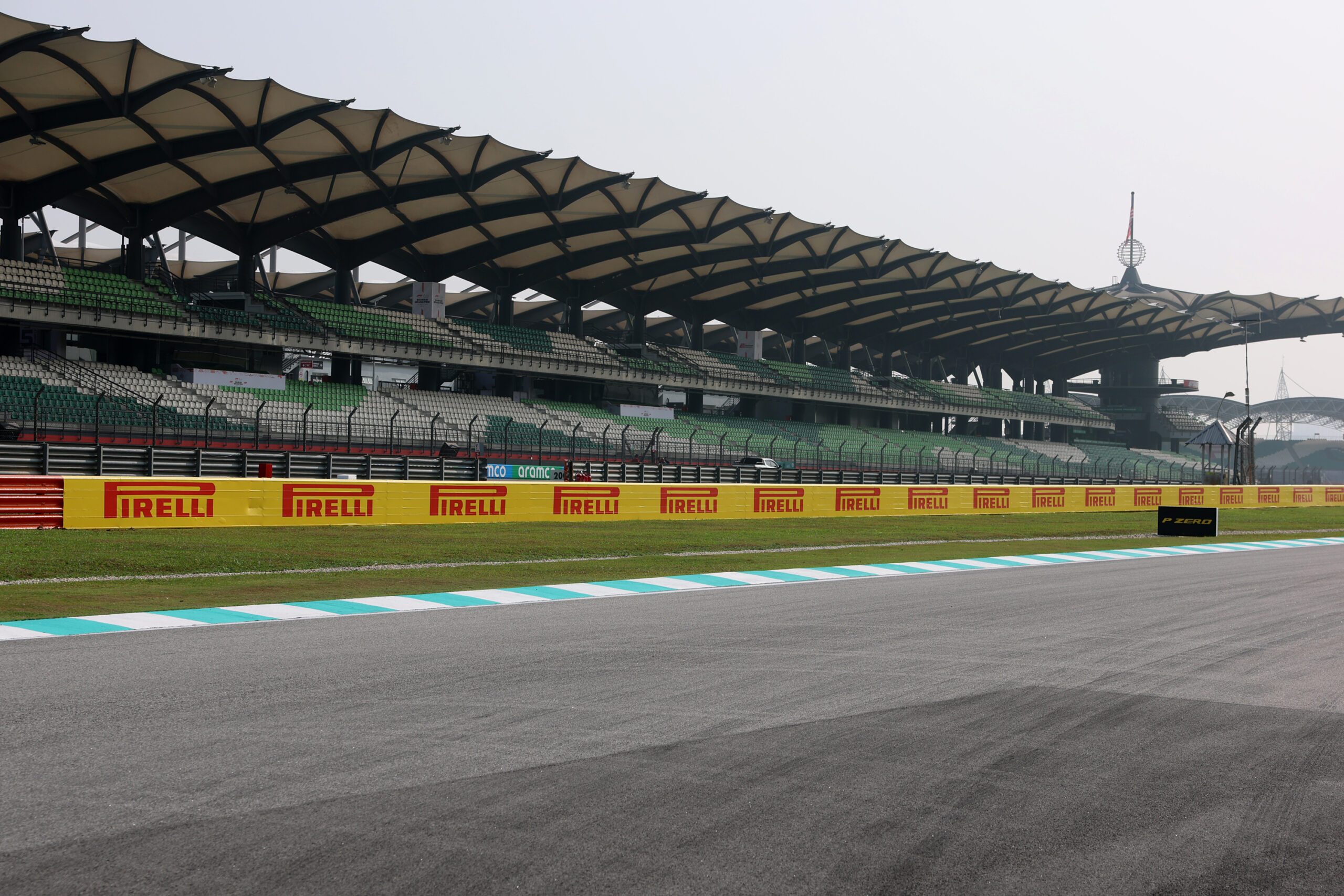
Sepang International Circuit is hardly unknown territory for Formula 1; the track has hosted Grands Prix in the past. After a lengthy absence, it now reclaims a calendar spot, albeit under extraordinarily unusual circumstances: as a substitute venue for a race that nominally bears another country's name.
Whether this arrangement persists beyond 2026 remains unclear. Should conditions in the Middle East stabilize, Bahrain could eventually reclaim its traditional calendar slot, though the available information does not support any firm prediction. For now, the takeaway is this: Formula 1 has demonstrated it can maintain its calendar even under challenging geopolitical circumstances, even if the result appears paradoxical at first glance.