Marco Rossi · F1-Korrespondent
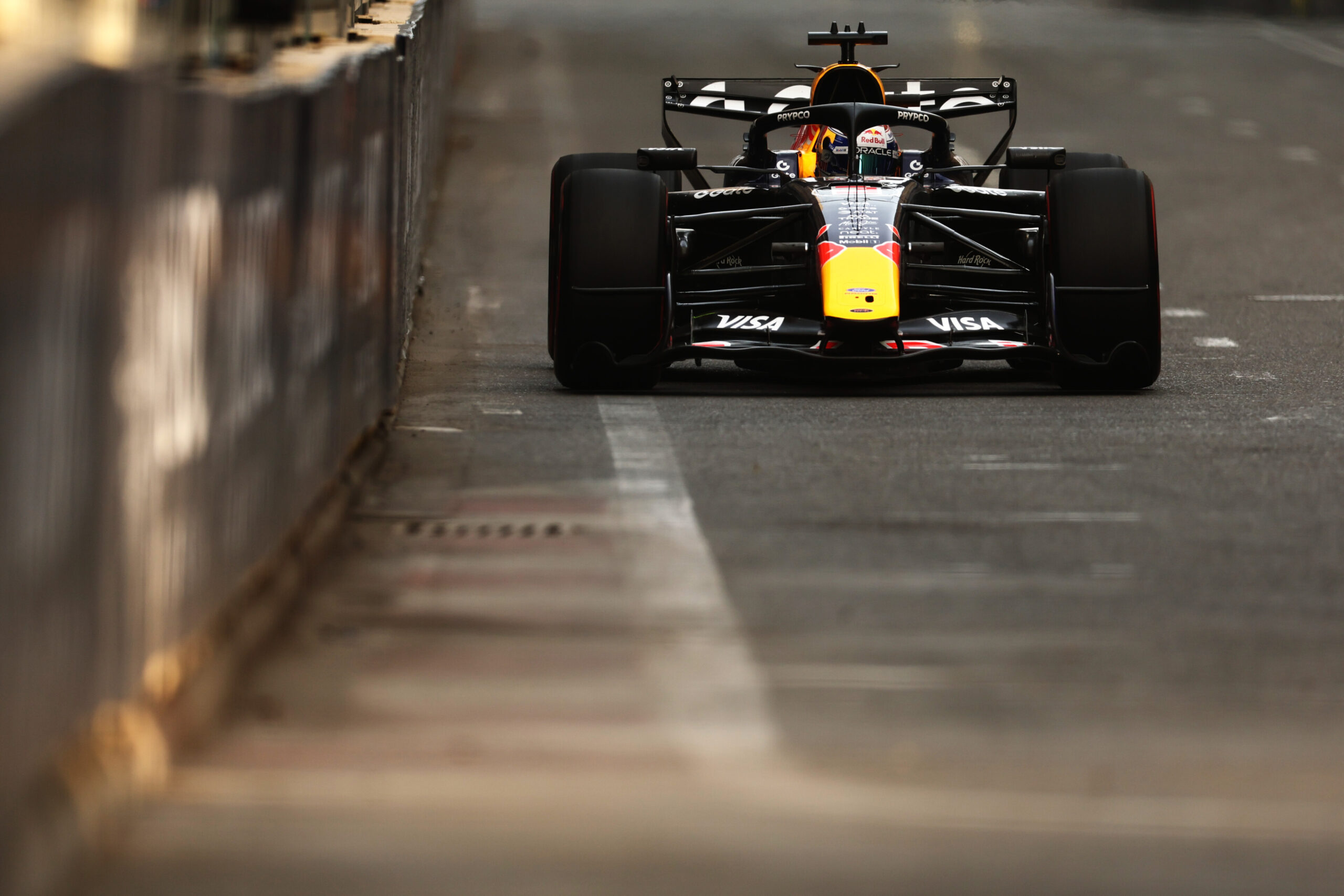
After two sessions in Mercedes' shadow, Max Verstappen returned to form on Friday morning at the Baku City Circuit with the day's best time.
Max Verstappen set the fastest time in third practice ahead of the Azerbaijan Grand Prix, breaking Mercedes' dominance of the two Thursday sessions. The Dutchman clocked 1:43.922, just 99 thousandths clear of George Russell, with Lewis Hamilton third in the Ferrari, a further twelve thousandths back. On a circuit that traditionally punishes mistakes severely, it was the smallest of margins that ultimately decided the order.
Red Bull strikes back after two quiet days
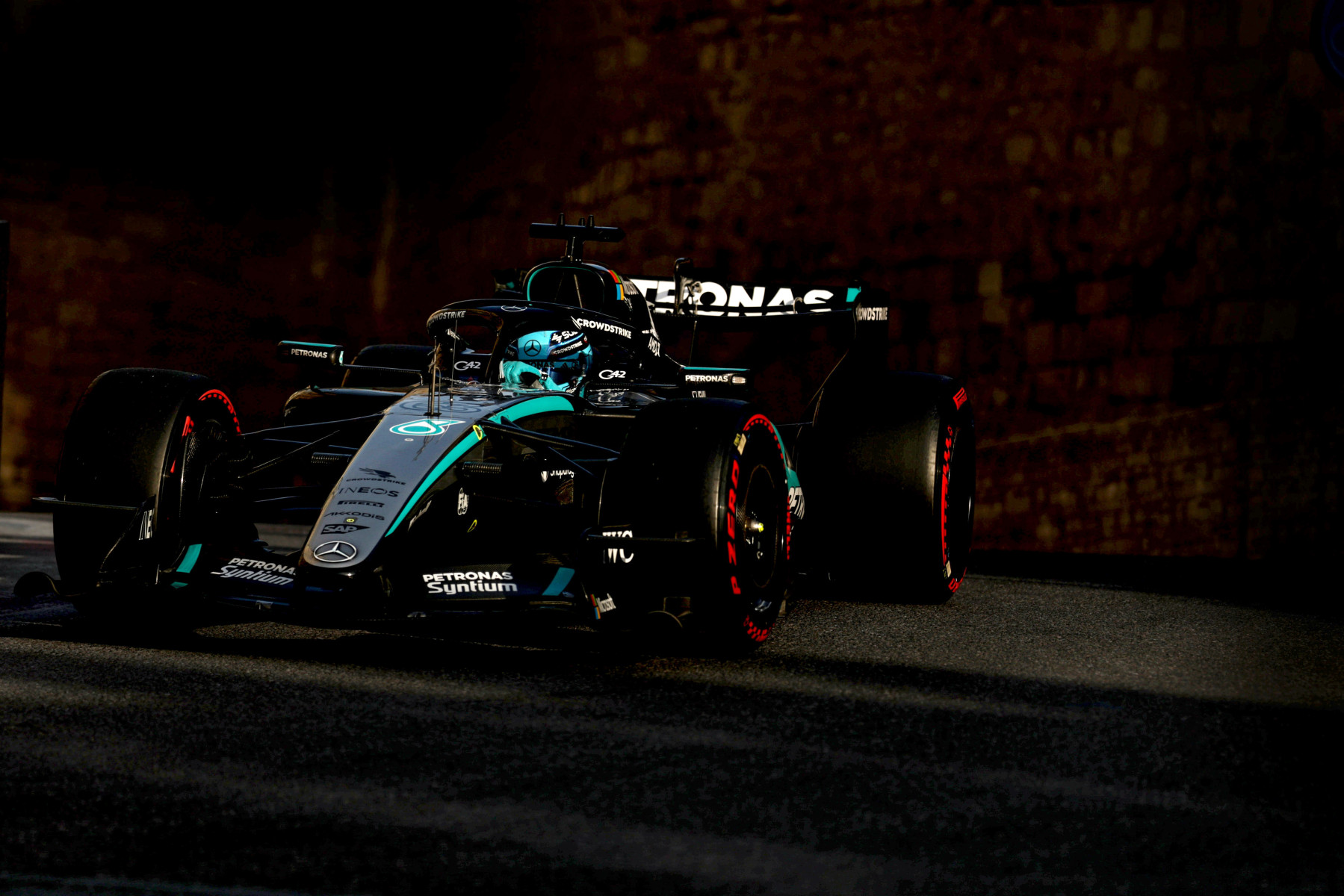
George Russell had claimed both sessions on Thursday, with an FP2 time more than two seconds quicker than Verstappen's best from FP1. Lando Norris captured the shift in momentum after Thursday's sessions bluntly, reportedly describing Mercedes' performance on Baku's long straights as a crushing blow to the opposition.
All the more remarkable, then, was Verstappen's response in FP3. According to reports from the paddock, the Red Bull driver confirmed after the session that the upgrades introduced at Baku were delivering positive data, though he continued to complain about the car's behavior, particularly the sudden rearing of the rear under braking, now commonly known in the paddock as the kangaroo effect. That a car delivering the day's fastest lap while still wrestling with an unresolved technical issue suggests Red Bull has made significant gains elsewhere.
Wind and asphalt create uncertainty
Gusty winds funneling through the old city's narrow passages made FP3 a high-risk session by most accounts. Several drivers, among them Russell, Charles Leclerc, and Hamilton, lost control momentarily and had to use run-off areas while their cars' balance shifted lap to lap. On a circuit with limited traditional run-off zones, this is far more than a minor detail—it's a factor affecting both lap times and driver confidence.
Adding to the challenge, the FIA reportedly resurfaced sections of asphalt in turns two, three, and four overnight. Multiple drivers, including Verstappen himself, Oscar Piastri, and Alexander Albon, had complained of significant car movement under braking in FP1. That Verstappen set the pace the next day despite this history suggests the repair work brought no disadvantage to Red Bull, at least.
Tight field behind Ferrari and McLaren
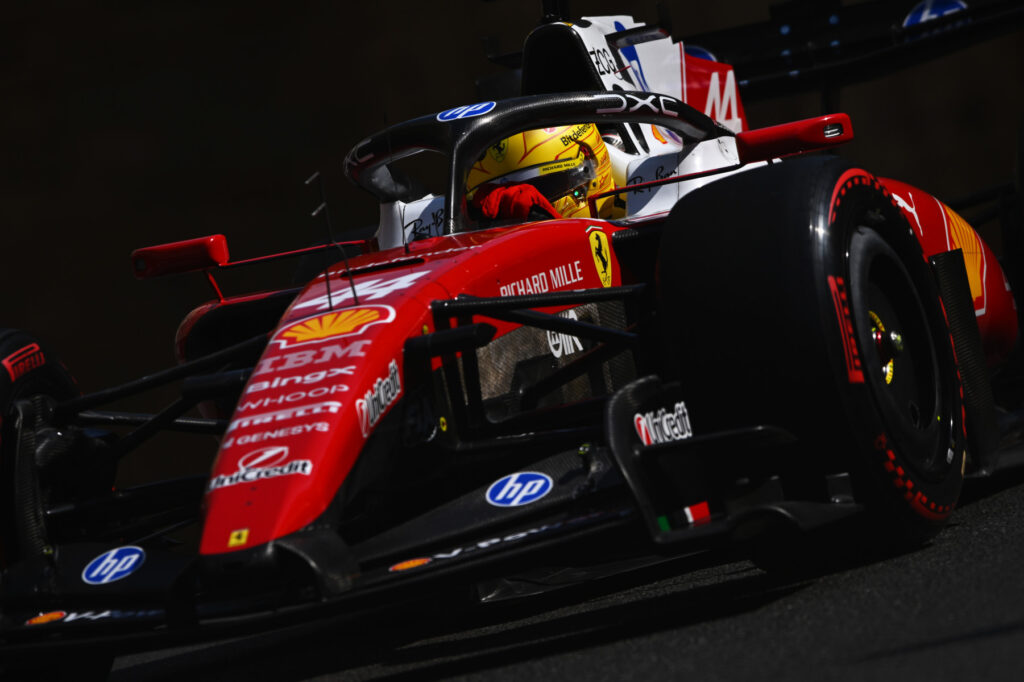
Andrea Kimi Antonelli rounded out the top three on fourth, while Charles Leclerc took fifth, six tenths from the front and notably further back from Hamilton than on Thursday. Pierre Gasly delivered Alpine's strongest session of the weekend with sixth place, while McLaren's Oscar Piastri and Lando Norris on seventh and eighth fell short of their own expectations.
The gap between the top eight drivers was less than a full second, a pattern suggesting a tightly contested battle for pole position in qualifying. Whether Red Bull's FP3 pace translates to a strong qualifying lap or Mercedes' Thursday consistency proves decisive remains to be seen, especially given Baku's modified schedule—qualifying for Saturday's race is already set for Friday afternoon.