
Bobby Travis · NASCAR/IndyCar Correspondent
What was once a simple fuel boost has become a real-time chess match where energy management decides winners and losers.
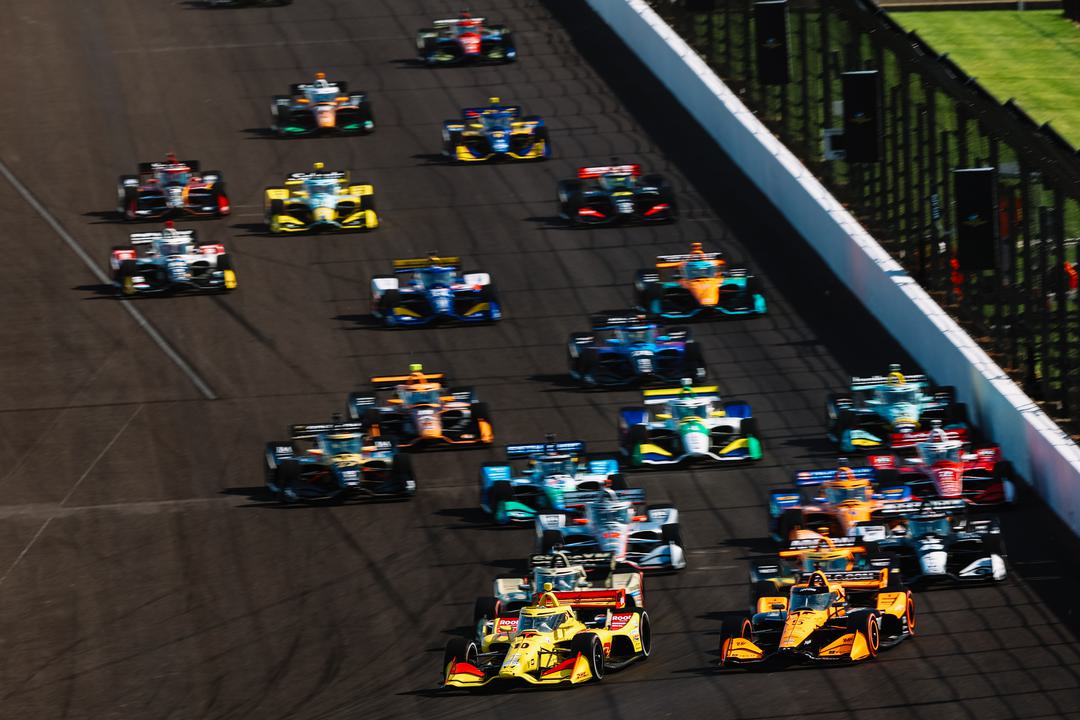
Anyone watching an IndyCar race today sees more than just full throttle on the straights. Since the series introduced its hybrid system, drivers no longer compete with just the accelerator, but juggle two separate power sources that work in fundamentally different ways and timing. Push-to-Pass has been around for years, hybrid boost is new, and the interplay between both systems has noticeably transformed racing and strategy in recent events, on road courses and ovals alike.
Two Buttons, Two Philosophies
Push-to-Pass is the classic weapon. Crank up the boost, more fuel, done. It's limited by a time allowance, typically 150 to 200 seconds per race on road and temporary circuits. On ovals, the button mostly stays unused. When a driver deploys P2P, the timer runs down, straightforward and transparent.
Hybrid boost works differently. Around 50 to 60 extra horsepower from the electric motor, but no time budget, instead an energy allowance per lap. The driver has to recharge the capacitor themselves, through braking or strategic lift-and-coast at the corner entry. And that on every single lap, every track type, even on the oval. This makes hybrid boost a dynamic resource, while Push-to-Pass remains a fixed, finite commodity.
The Double Boost and the New Art of Defense
On road and temporary circuits, drivers can fire both systems at once. That briefly unlocks well over 800 horsepower, and an overtaking move at the end of a long straight becomes purely a question of timing. Whoever deploys the double boost at corner exit drastically shortens the slipstream distance and is often already past the braking point before the defender can react.
What's interesting is the defense. The leader doesn't have to burn through the P2P allowance immediately to counter, instead they can rely solely on hybrid boost, which is available fresh every lap anyway. This shifts the classic wheel-to-wheel situation away from pure bravery at the brakes toward a calculation: who has how much time credit left, and who charged their capacitor at exactly the right moment. This combination of resource management and reflexes makes racing cognitively tougher, for drivers and spectators alike watching the cockpit displays.
Ovals, Tires, and the End of Yellows as Standard
On ovals, where Push-to-Pass is mostly off-limits, hybrid boost became the primary tool. Teams engineer strategies like metered power delivery spread across a full lap or compact boost bursts when accelerating out of backmarker situations. It sounds like fine-tuning, and it is, because on the oval a centimeter at corner exit can determine the next draft.
There's a side effect worth noting: the MGU-K can restart stalled cars on track on its own. That's likely one reason Full Course Yellows have dropped, a driver no longer necessarily waits for the caution crew if the engine dies in the infield.
Then there's the weight. The hybrid system adds roughly 40 to 42 kilograms, putting more stress on rear tires and brakes than before. Full torque from the MGU-K on corner exit burns tires faster, constant pushing is no longer automatic. Race strategy has shifted somewhat away from pure sprint racing toward a more nuanced balance between energy deployment and tire preservation, lap after lap.
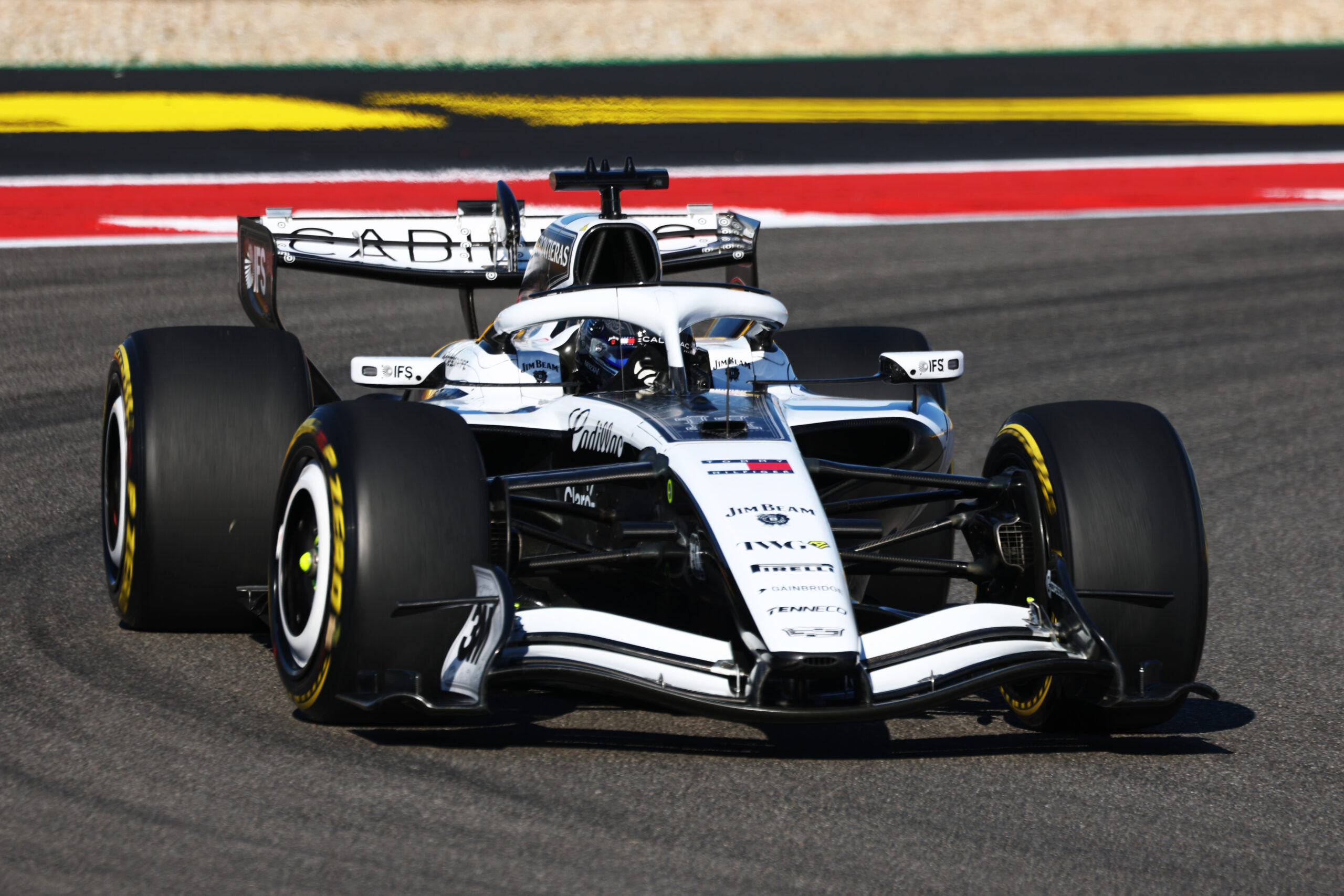
Formula 1 has since introduced something comparable, with Manual Override Mode replacing classic DRS and hybrid power rising to nearly 50 percent of total output, around 475 horsepower combined. The chaser gets extra energy in the high-speed zones when close enough, the leader can counter if their own battery management was planned smartly enough. What's already routine in IndyCar, thinking in energy budgets instead of raw horsepower, is set to become the deciding factor on the other side of the Atlantic too. For IndyCar, that means the coming races will reveal whether teams refine their trickle-deploy strategies on ovals further, or whether inventive engineers are already working on the next trick to squeeze more from the energy budget.