
Henri Dubois · Endurance-Korrespondent
At the WEC's six-hour race at Fuji in 2026, the entire qualifying session fell victim to the weather, and Alpine is now sitting on both front row starting spots without completing a single timed lap.
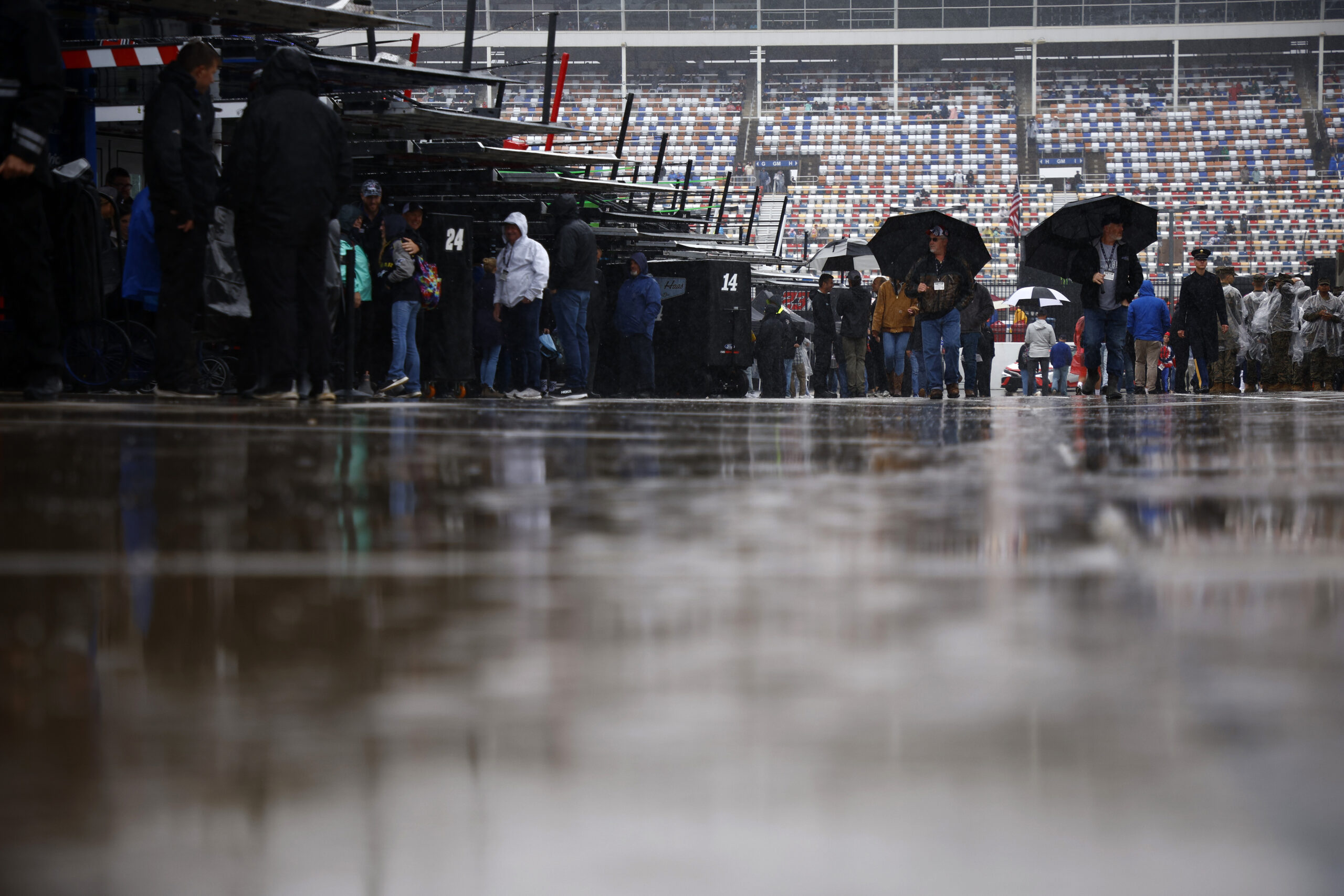
FIA World Endurance Championship officials canceled both regular qualifying and all hyperpole sessions at the six-hour race at Fuji in 2026 after persistent rain made the circuit unsafe to run. With no timed laps recorded, Alpine's two factory hypercars will start from the front row, an unusual situation for the series.
Why the session was completely canceled
Rain delays or shortens qualifying in the WEC calendar regularly, but a complete cancellation of all timed practice segments remains rare. According to available information, race control at Fuji decided to cancel both the regular qualifying session and the hyperpole, that intensified run where the quickest cars in both classes compete for the top starting positions, on safety grounds.
For a driver trio, losing a single session can be manageable, but for track engineers the cancellation means all the setup work on tire pressure and aerobalance for a quick lap went to waste, without ever translating into actual race pace. How a car would have responded in the rain on a single flying lap remains pure speculation for all teams, which further complicates preparation for the actual race.
A starting grid with no timed laps
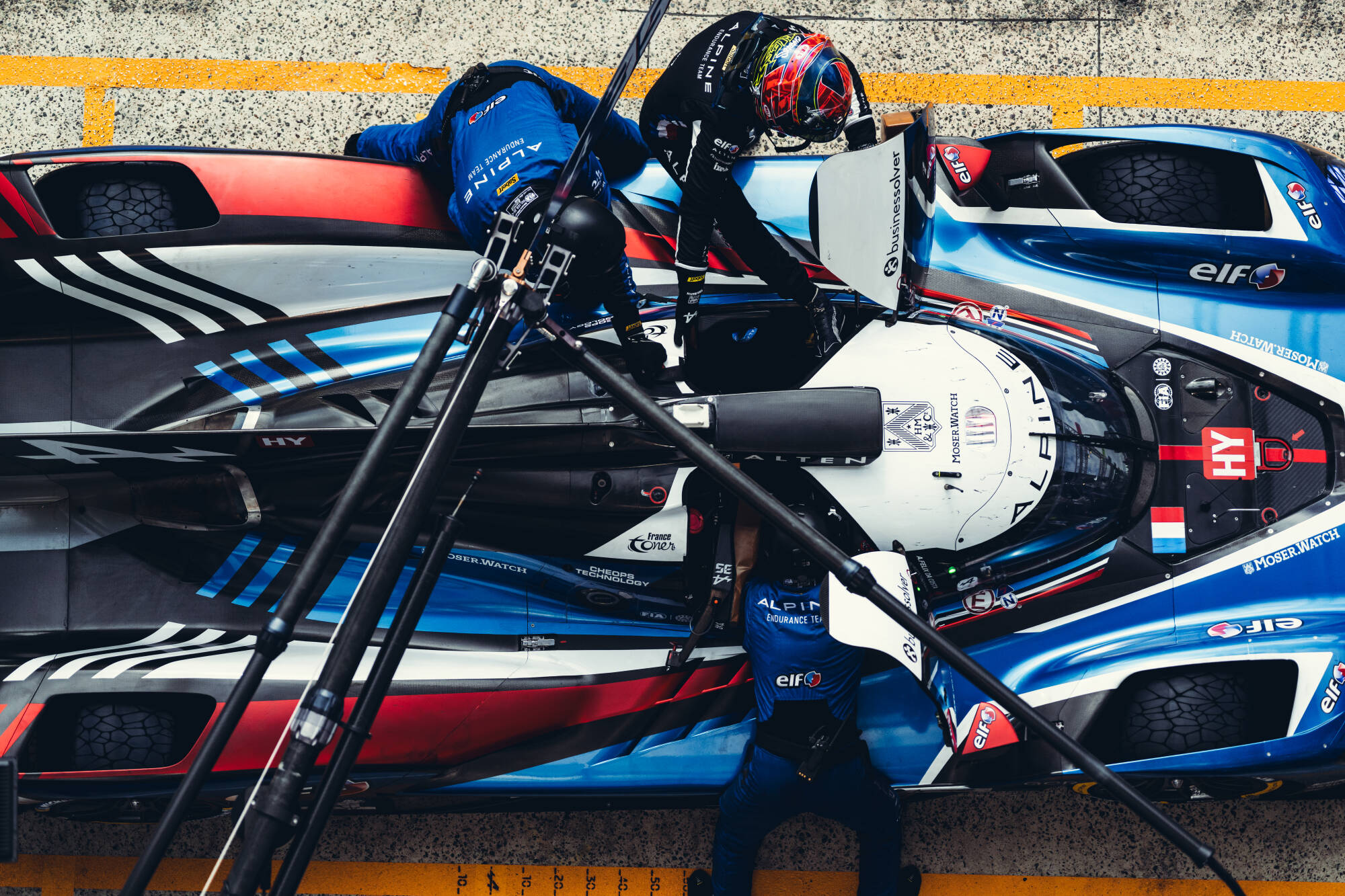
Without qualifying and hyperpole, the starting order had to be determined another way, and both Alpine hypercars ended up on the front two rows, a curious situation given that no single driver from the team had completed even one timed lap under pressure that weekend.
For the competition in the hypercar manufacturer standings, where since the 2026 regulation change only the brand as a whole counts and not individual teams anymore, the situation must feel uncomfortable, as Toyota, Ferrari, Porsche, BMW and the other manufacturers now have to prove themselves from a starting position that doesn't reflect their actual race pace over a stint. Especially in the hyperpole, which normally provides exactly that brief, intense comparison between the quickest packages in both classes, it would have become clear who truly found the stronger setup in the wet.
How race day unfolds from here
The cancellation of qualifying changes nothing about how the actual six-hour race at Fuji will run, the race will start as planned over the full distance, just with a starting grid based more on procedures than lap times. For an endurance race of this length anyway, a position on the grid quickly becomes secondary, what will matter again over six hours is how the pit crews time their double stints, how tires wear under changing conditions, and which team keeps its cool during the decisive strategy window.
For both the hypercar manufacturer standings and the LMGT3 class, where team competition continues unchanged, the actual form comparison will only happen during the race itself. Alpine should benefit initially from the front position, but whether that translates into a real advantage over the full distance will only be decided where it always matters in this sport, over hours, not a single lap.