Bobby Travis · NASCAR/IndyCar Correspondent
In a series where nearly every car is equally fast, a large points advantage reveals far more about the driver than the machinery.
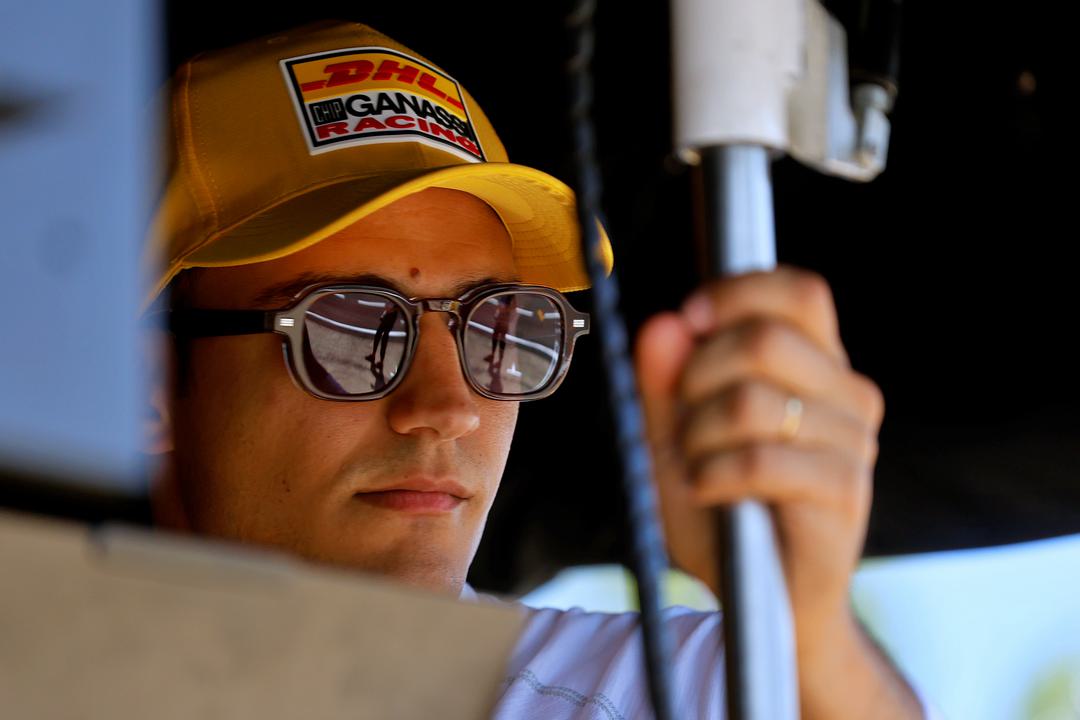
Alex Palou leads the 2026 IndyCar championship with a commanding points margin, adding to his titles in 2021, 2023, 2024, and 2025, plus his Indianapolis 500 victory. The Spanish driver for Chip Ganassi Racing has separated himself so far from the rest of the field in a category with nearly identical equipment—Dallara chassis and engines from Honda or Chevrolet—that it raises the question: what actually sets him apart from the rest of the grid?
Consistency Over Chaos
In IndyCar, hundredths of a second often decide the grid order. The kind of car advantage that Formula 1 teams sometimes sustain across entire seasons barely exists here. When Palou runs up front week after week, it doesn't come from the box; it comes from the cockpit.
A large points lead rarely develops in this series through win streaks alone. It builds through mistake-free racing. Palou seldom makes reckless accidents or throws away results through driver error. When he can't win, he pockets a solid second or third place finish rather than charging recklessly and risking unnecessary damage. This discipline, lap after lap, race after race, is the real source of his championship margin.
Ovals, Road Courses, Street Tracks: Same Story Everywhere
The IndyCar season demands all-around driving skill like few other series. High-speed ovals, classic road courses, and tight, bumpy street circuits follow each other directly on the calendar, and each track type demands a completely different approach behind the wheel. A driver who shines on a road course often struggles on the oval, and vice versa.
The fact that Palou has evolved into one of the field's strongest drivers on the ovals too underscores the versatility behind his points lead. Anyone leading the championship over a full season can barely afford weaknesses in any discipline, and he's managing that better than most in the field right now, including established names like Josef Newgarden, Scott Dixon, or Pato O'Ward.
Cool Head, Keen Feel for the Car
Competitors in the paddock describe Palou as the series' most complete driver again and again. What they mean above all is his instinct for the risk-reward equation: when to attack and when it's smarter to manage tires and points. Add to that his fuel and tire management, which lets him run conservatively in a race without noticeably losing pace, an advantage that gives his Chip Ganassi Racing team and strategist Barry Wanser enormous tactical flexibility with pit-road timing.
On the radio, Palou stays calm throughout, whether a caution scrambles the race or the car setup initially doesn't click. He works methodically forward instead of panicking. And in qualifying, he proves he's not just a clever tactician but also belongs with the series' fastest in the low-fuel runs.
The points lead is therefore less a fortunate byproduct of a strong season than the logical result of several strengths that rarely come together in a single driver: raw pace, racecraft, and chemistry with a team that trusts his feedback implicitly. Should he maintain this level for the rest of the season, 2026 may not be the final chapter in one of the most dominant driver resumes IndyCar has seen in recent years.