
Bobby Travis · NASCAR/IndyCar Correspondent
From the Coca-Cola 600 onwards, Cup cars will run 750 instead of 670 horsepower on the mid-length ovals as well. NASCAR will also test 800 horsepower at the All-Star Race and rework qualifying on the superspeedways.
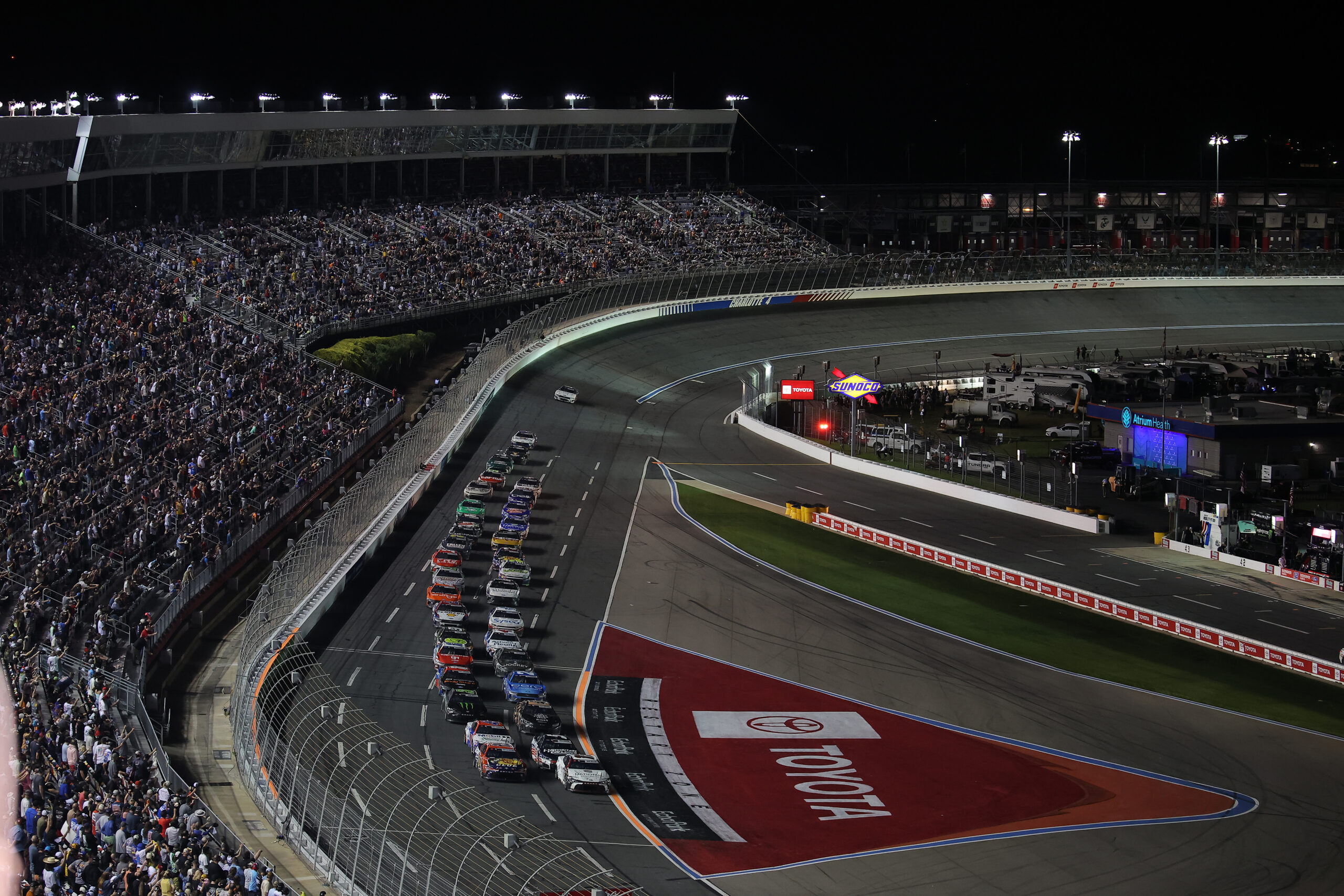
Drivers and fans have been calling for it for a long time, and now the power is coming. NASCAR published its rules update for the 2027 season last Friday, and the most important change concerns the intermediate tracks, the ovals of around a mile and a half such as Charlotte, Las Vegas or Kansas. There, engine output in the Cup Series rises from 670 to 750 horsepower. According to the site Kickin’ The Tires, the aim is more passing opportunities and more work for the drivers in managing their tires.
750 horsepower only from late May
The new power level does not apply right from the start of the season, though. The Coca-Cola 600 at Charlotte on May 30, 2027 is the first race, after which every intermediate race of the year will be run with 750 horsepower. The races before that still use the current package, which according to Motorsports Tribune means Las Vegas, Texas and Kansas. On short tracks and road courses the engine has already been producing 750 horsepower since this season, so the intermediate ovals are now catching up.
NASCAR is going one step further at the All-Star Race at North Wilkesboro on May 23, a week before Charlotte. There the field will run 800 horsepower as a test. If the evaluation afterwards is positive, the 800 horsepower package could be used on all remaining short tracks and road courses from the Bristol night race in August. Nothing has been decided yet, as NASCAR and the engine builders first want to see the data from North Wilkesboro.
One lap and over 200 mph at Daytona and Talladega
Something is changing on the superspeedways too, but only in qualifying. At Daytona and Talladega the cars will get their own package for the time trials, with 510 to 530 horsepower and a narrow, two-inch rear spoiler. This is meant to push lap speeds back above 200 miles per hour, around 322 km/h. In the race, the familiar superspeedway package stays largely unchanged. In addition, the second qualifying round is dropped: on the superspeedways only a single timed lap will count from now on.
There are also new rules for what happens when qualifying is cancelled or cannot be completed. Until now a formula based on the result of the previous race and owner points decided the starting lineup. From 2027, only the current owner points will count. The exception is the Daytona 500, which keeps its own starting procedure.
Double yellow line and smaller changes
NASCAR has also clarified the double yellow line rule on the superspeedways. A car will now be considered below the line if its left-side tires are below the left of the two inner lines that separate the apron from the racing surface. Anyone who passes a rival there still faces a penalty, as before.
On top of that comes a series of smaller points. The splitter covers are dropped on short tracks and road courses, as is the minimum shock length. Full-time teams will have to run a sealed engine in at least 20 points races, up from 17. If NASCAR declares an oval race a wet race, the crew chiefs decide on tire choice themselves. In the O’Reilly Auto Parts Series and the Truck Series there is a new L3 penalty level.
The new season starts on February 13 with the Clash at Daytona, followed a week later on February 21 by the 69th Daytona 500. For the first time since 2012 there will then be four manufacturers on the grid again, since Dodge announced its return with Kaulig Racing. Whether the extra horsepower actually improves the racing on the big ovals will only become clear at Charlotte at the end of May.