
Henri Dubois · Endurance Correspondent
After years without an overall win, the parent company draws its conclusions and scraps the endurance programme on the day entries for 2027 closed.
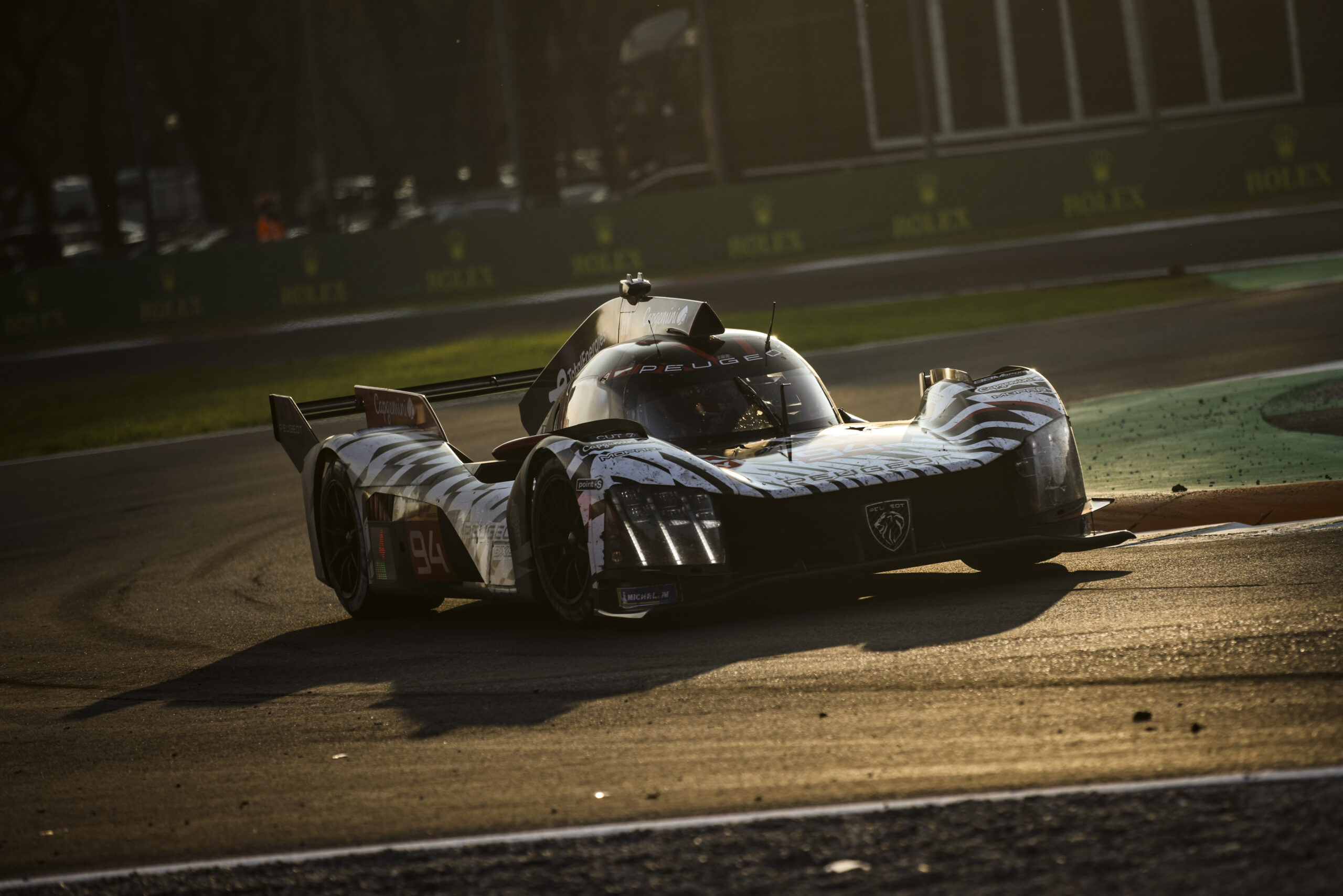
Stellantis announced in a statement on 23 November 2026 that it is ending the Peugeot factory programme in the FIA World Endurance Championship with immediate effect. This also means the Peugeot 9X8 will no longer line up at the 24 Hours of Le Mans, a race of particular historical significance for the brand. The withdrawal comes at a time when, according to consistent reports in the specialist media, the team had already settled its driver line-up for 2027. According to GT Report, it included Jean-Éric Vergne, Loïc Duval, Nick Cassidy and Paul di Resta as well as newcomers Robert Shwartzman and Alex Quinn. The revised car for 2027 had already completed its testing and was due to be unveiled at Paul Ricard later in November.
A project that never made the big breakthrough
Anyone who has followed the development of the 9X8 over the past WEC seasons knows the pattern: a technically unconventional concept, and yet the big success never came. In 34 starts since its debut at Monza in 2022, Peugeot did not win a single race with the car. The record: four podiums and one pole position, despite heavy investment over several years.
In a race of attrition like the 24 Hours of Le Mans, what counts in the end is not just one driver's lap time but the ability of a whole package of driver trio, pit crew and strategy to stay consistent over the full distance. The fact that the 9X8 never managed to take the lead in this discipline is likely to have weighed more heavily in the group's decision than the occasional podium along the way.
Part of a group-wide cost-cutting drive
The WEC exit does not stand on its own but is part of a wider programme through which Stellantis, under its FaSTLAne 2030 strategic plan, is responding to weaker sales and financial results. The factory efforts of Citroën and Opel in Formula E will also be wound down, though only after the 2026/27 season and therefore with considerably more notice than Peugeot in the WEC. Customer racing, such as the Lancia rally programme, is not affected by the cuts, and neither is Dodge's planned NASCAR programme.
According to the group, funds and resources will in future be concentrated on customer racing and the development of high-performance road cars. This suggests that Stellantis is less concerned with a complete withdrawal from motorsport as such than with a shift away from cost-intensive prototype programmes towards projects with a direct link to production cars.
Consequences for the WEC grid
For the World Endurance Championship, the withdrawal leaves a noticeable gap in the Hypercar class. Following Alpine's departure at the end of 2026, there is now no French manufacturer left in the class. According to the specialist media, eight factory teams remain for 2027: Aston Martin, BMW, Cadillac, Ferrari, Genesis and Toyota, plus newcomers McLaren and Ford. How much Peugeot's absence will affect the size of the grid and the Balance of Performance next season will only become clear once the final 2027 entry list is published.
For the drivers and the pit crew who have worked on the development of the 9X8 over the past years, the short-notice announcement on the day entries closed is likely to be particularly hard to take. Whether any of them will find a place with other Hypercar manufacturers is still open and will only become clear in the coming weeks.